General
10 Key Benefits of Backup Managed Services for Manufacturing Security
Published February 16, 2026
Introduction
The manufacturing sector faces increasing vulnerability to data loss, with nearly one in four small and mid-sized enterprises experiencing ransomware attacks in recent years. Backup managed services have emerged as a vital solution, providing enhanced security and compliance alongside significant cost savings and operational efficiency. As cyber threats continue to evolve, manufacturers must carefully consider how to select the right backup strategies and partners to protect their critical information. This article explores ten key benefits of backup managed services, demonstrating how they can strengthen manufacturing security and ensure business continuity in an unpredictable landscape.
Enhance Business Continuity with Backup Managed Services
serve as a crucial safety net for production companies, ensuring that essential information is routinely saved and can be swiftly recovered in emergencies. This capability significantly minimizes downtime, allowing operations to resume quickly and thereby protecting both revenue and reputation. For example, a production company facing a cyber attack can rely on its recovery services to restore operations without significant delays, ensuring that production schedules remain intact.
In 2026, the demand for backup solutions is expected to rise. In 2025, nearly 70% of companies will prioritize data protection, highlighting the urgent need for robust recovery solutions. Regular information backups not only protect against data loss but also mitigate the financial repercussions of ransomware demands, which can be devastating for producers.
The impact of information loss on production operations is profound; research indicates that:
- 60% of small businesses close within six months of a data breach.
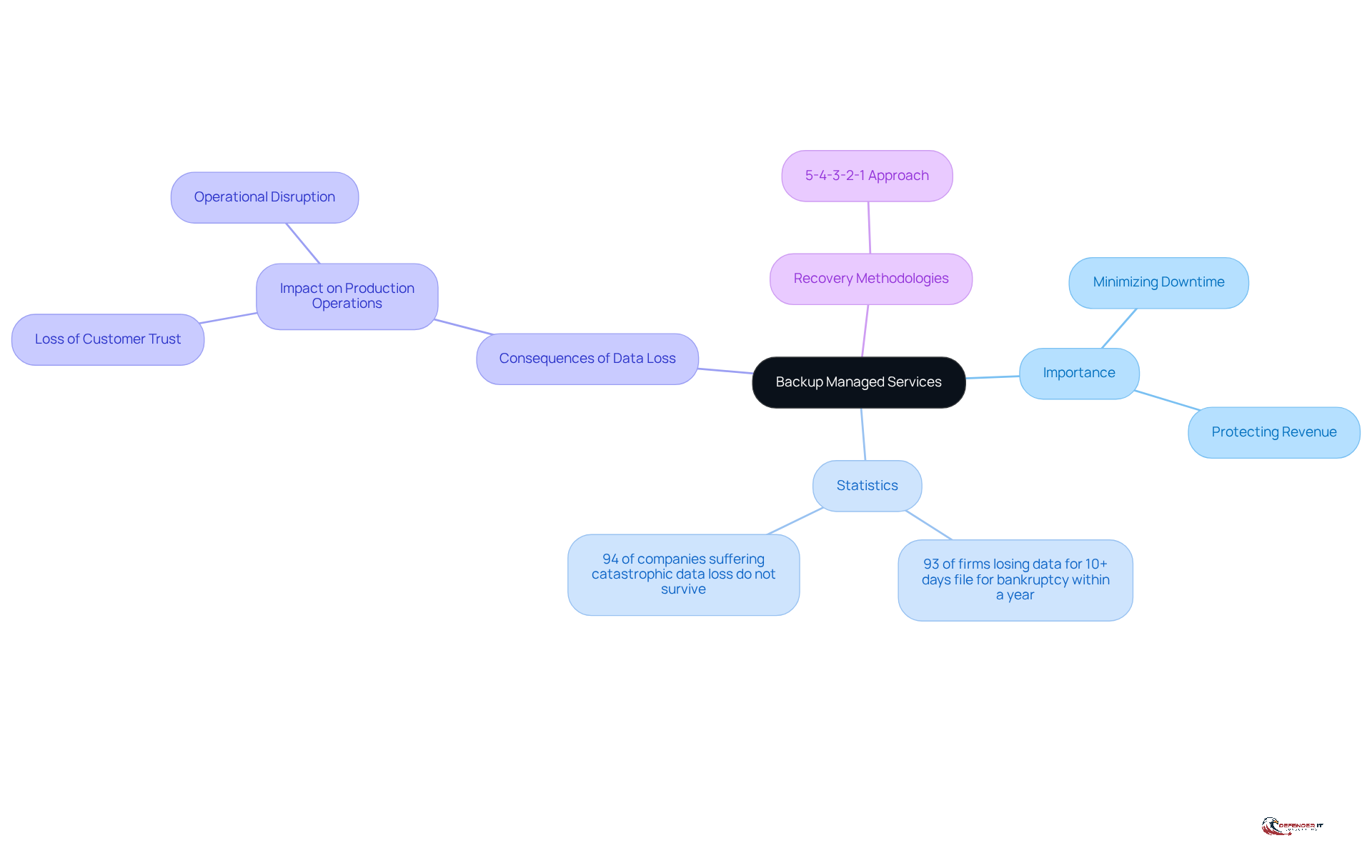
- 94% of companies suffering catastrophic data loss do not survive.
This stark reality underscores the necessity of having a comprehensive backup plan in place. As industry experts emphasize, vital information preservation is the most critical step in preventing and recovering from data loss, with 30.2% of technology leaders highlighting its significance.
By adopting managed services for recovery, production companies can enhance their resilience against cyber threats, ensuring they are well-prepared to tackle the challenges of modern information security. Implementing strategies such as the 5-4-3-2-1 recovery methodology can further strengthen their disaster recovery efforts, providing a structured approach to data protection.
Achieve Cost Savings and Predictability through Managed Backup Solutions
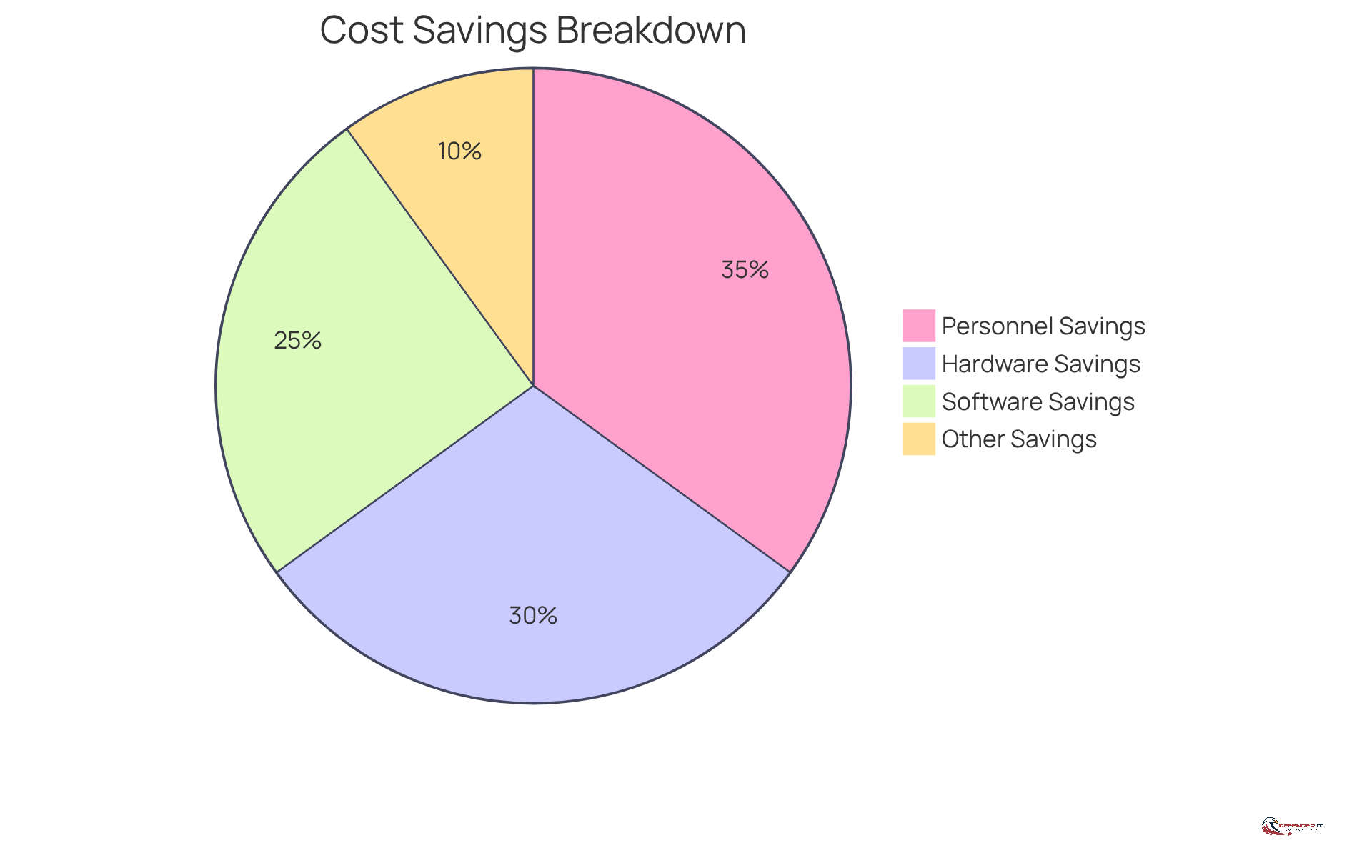
Managed recovery solutions provide manufacturing firms with predictable pricing structures, which facilitate efficient budgeting and financial planning. By contracting external support, organizations can significantly reduce the costs of data management. For instance, manufacturers can lower costs related to hardware, software, and personnel by partnering with a managed solutions provider. This strategic decision enables them to allocate resources to other critical areas of their operations, thereby enhancing overall efficiency.
Numerous manufacturing companies have reported improved operational performance. This not only streamlines their processes but also improves their profit margins. As Andy Stone, CTO of Pure Storage, notes, “This shift underscores the importance of modernizing recovery strategies.”
Moreover, the typical expenses of internal data storage systems for manufacturers can be considerable, often leading to inefficiencies that can be effectively addressed. By adopting managed backup solutions, production companies can better manage their budgets and achieve substantial savings. Some businesses have reported reductions of up to 70% in labor costs through outsourcing, highlighting the financial benefits of this approach.
Ensure Enhanced Security and Compliance with Managed Backup Services
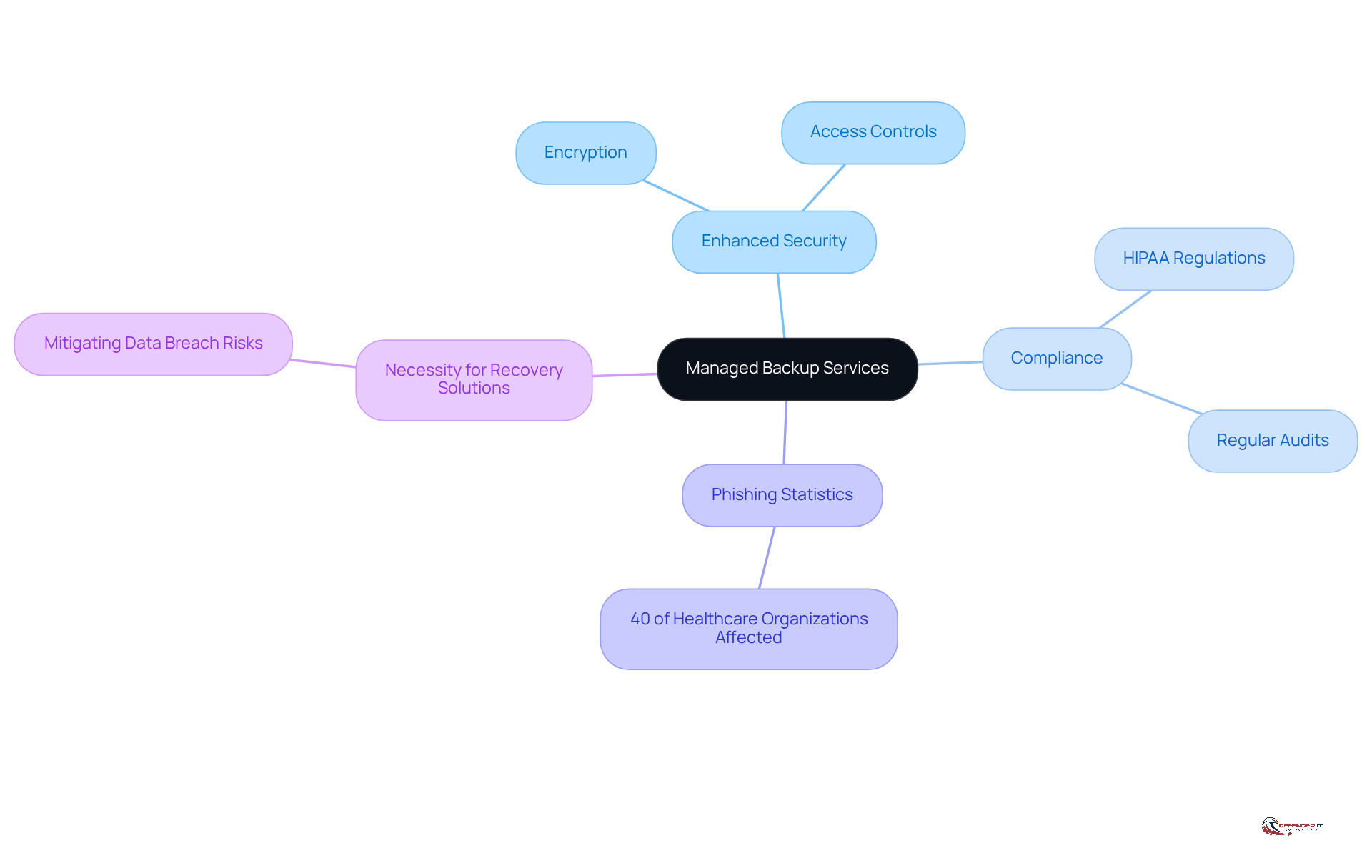
significantly enhance security by employing managed backup services, effectively protecting sensitive manufacturing information from unauthorized access. These offerings are essential for ensuring compliance, as they provide robust data protection. For instance, a healthcare producer can depend on managed backup services to securely store patient information, thereby ensuring adherence to HIPAA regulations.
Moreover, with 40% of manufacturers experiencing data breaches in the past year, the demand for effective backup solutions to mitigate such threats is paramount. This proactive approach not only enhances security but also diminishes risks associated with data loss. This underscores the necessity for reliable backup services.
Free Your IT Team for Strategic Work with Managed Backup Services
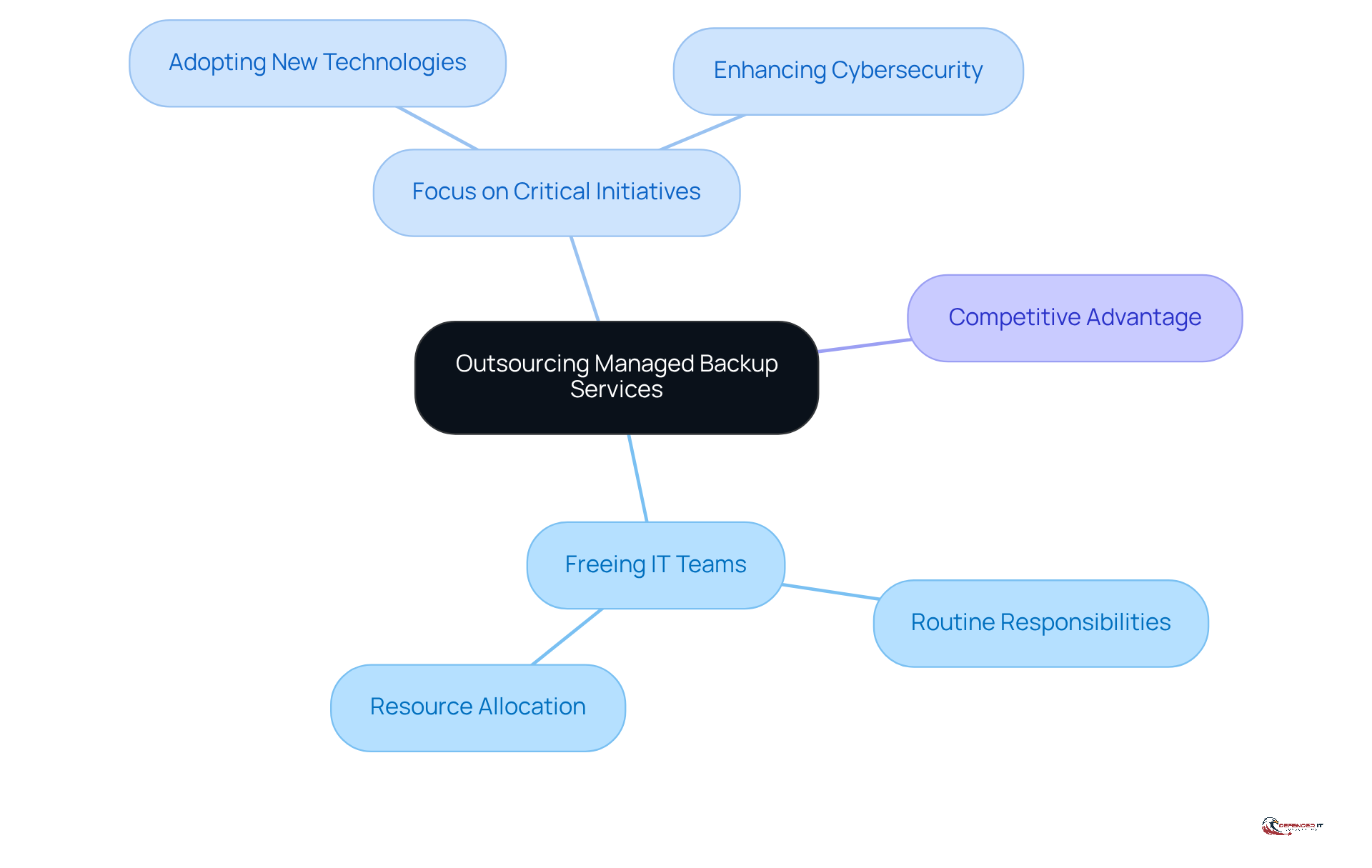
Outsourcing to a specialized provider enables production firms to reduce the burden of managing backups. This strategic move allows IT professionals to concentrate on critical initiatives, such as adopting new technologies or improving system performance.
For example, a producer like XYZ Corp. could redirect its IT resources toward improving production efficiency rather than spending time on support tasks. As Stephen Covey aptly states, “The main thing is to keep the main thing the main thing,” underscoring the significance of focusing on priorities while leveraging external expertise.
This strategic shift not only enhances productivity but also fortifies the security posture of production companies.
Leverage Proactive Monitoring and Reporting for Data Integrity
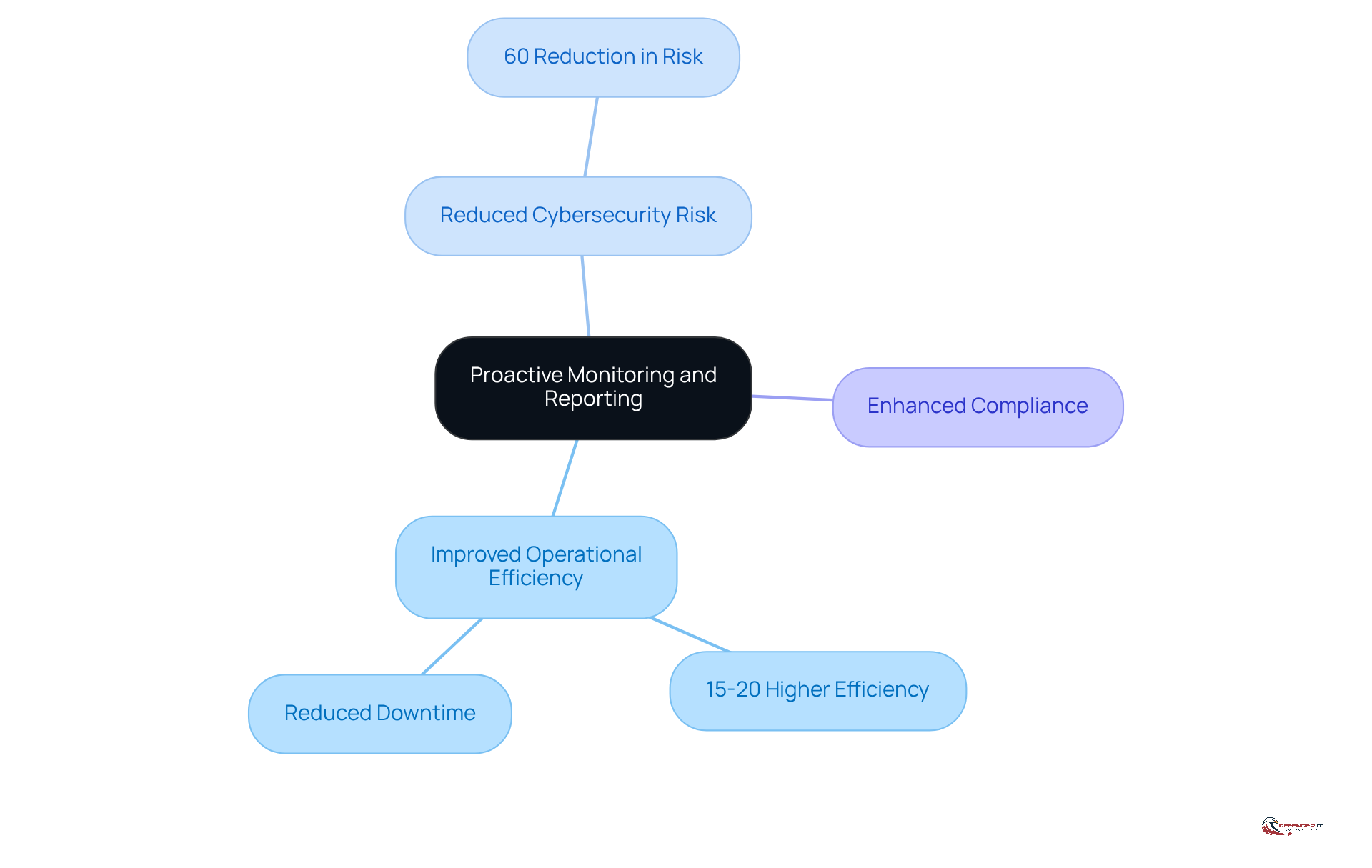
and reporting capabilities in managed recovery solutions are essential for maintaining data integrity within the manufacturing sector. These services can detect anomalies and potential issues before they develop into significant problems. For example, producers receive timely notifications regarding failed restorations or unusual information access patterns, enabling them to implement corrective measures swiftly. This proactive approach not only reduces downtime but also improves productivity; organizations with robust monitoring report 15-20% higher performance compared to those lacking such systems.
Furthermore, firms that embrace proactive monitoring experience a 60% reduction in data loss compared to reactive methods, significantly safeguarding their information assets. Consistent reporting functionalities provide insights into compliance requirements and risk management, ensuring that producers can meet regulations and avoid costly fines. As highlighted by industry experts, preserving data integrity is vital for operational excellence, making it a crucial component of any effective recovery strategy.
Conduct Regular Recovery Drills to Ensure Backup Reliability
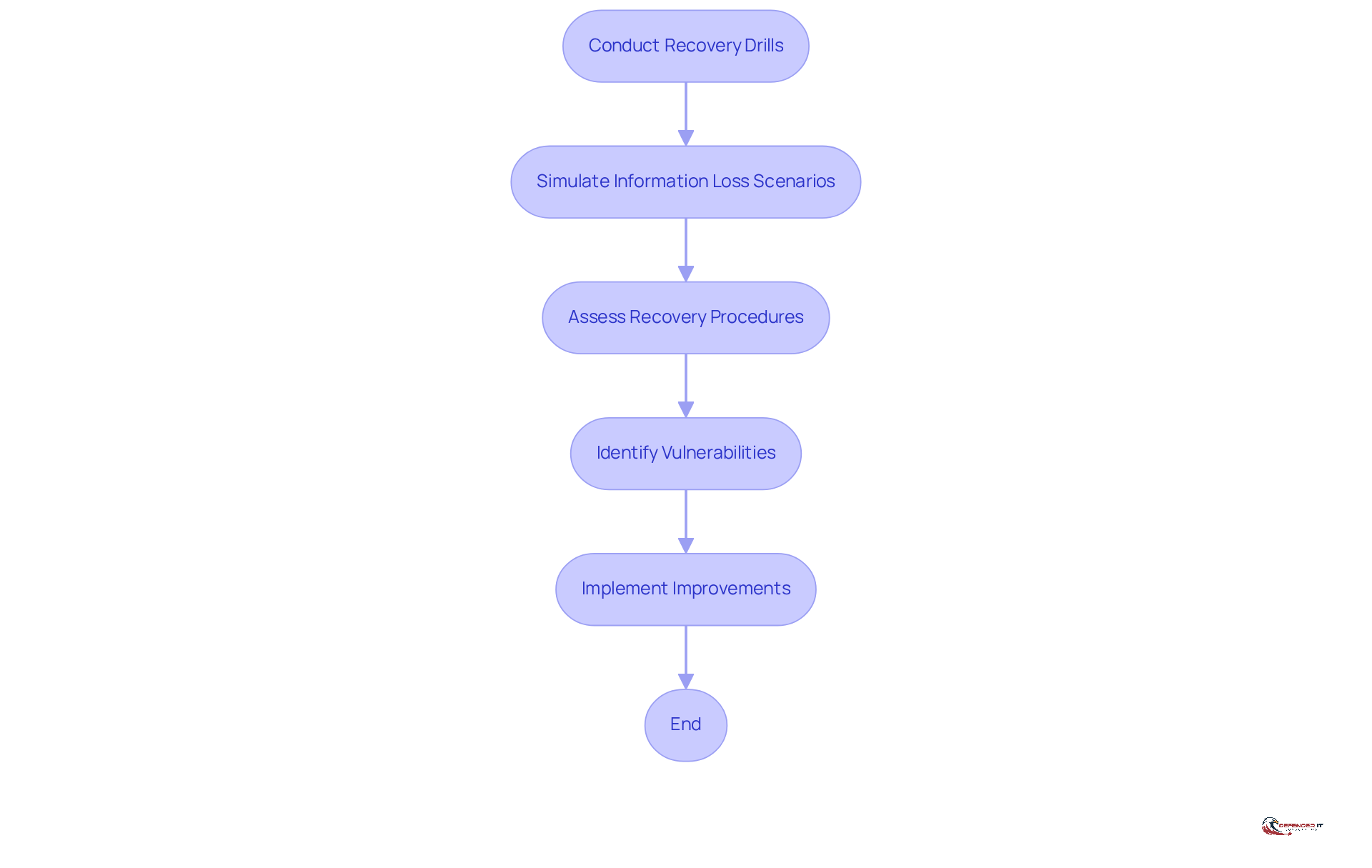
Conducting regular recovery drills is essential for ensuring the reliability and effectiveness of backup systems. These drills simulate information loss scenarios, allowing organizations to assess their response capabilities. For example, a manufacturing firm might implement quarterly recovery exercises to ensure swift and effective restoration of production data in the event of a cyber incident.
Statistics indicate that 72% of organizations reported increased cyber risks in 2025, highlighting the urgent need for robust backup strategies. Fred Romero, Chief Technology Officer at Consilien, asserts that “any organization that wants to remain resilient in the face of unexpected disruption.” Furthermore, the increasing frequency of cyber threats underscores the critical importance of preparedness.
Industry experts recommend that organizations conduct regular drills, with more frequent drills for those in regulated sectors. This practice enhances operational readiness and aligns with compliance requirements, ensuring that organizations are well-equipped to manage unexpected disruptions with backup managed services. Additionally, considering that the average cost of an idle production line in a large heavy industry plant is $59 million, proactive measures are essential.
Select the Right Backup Partner for Optimal Results
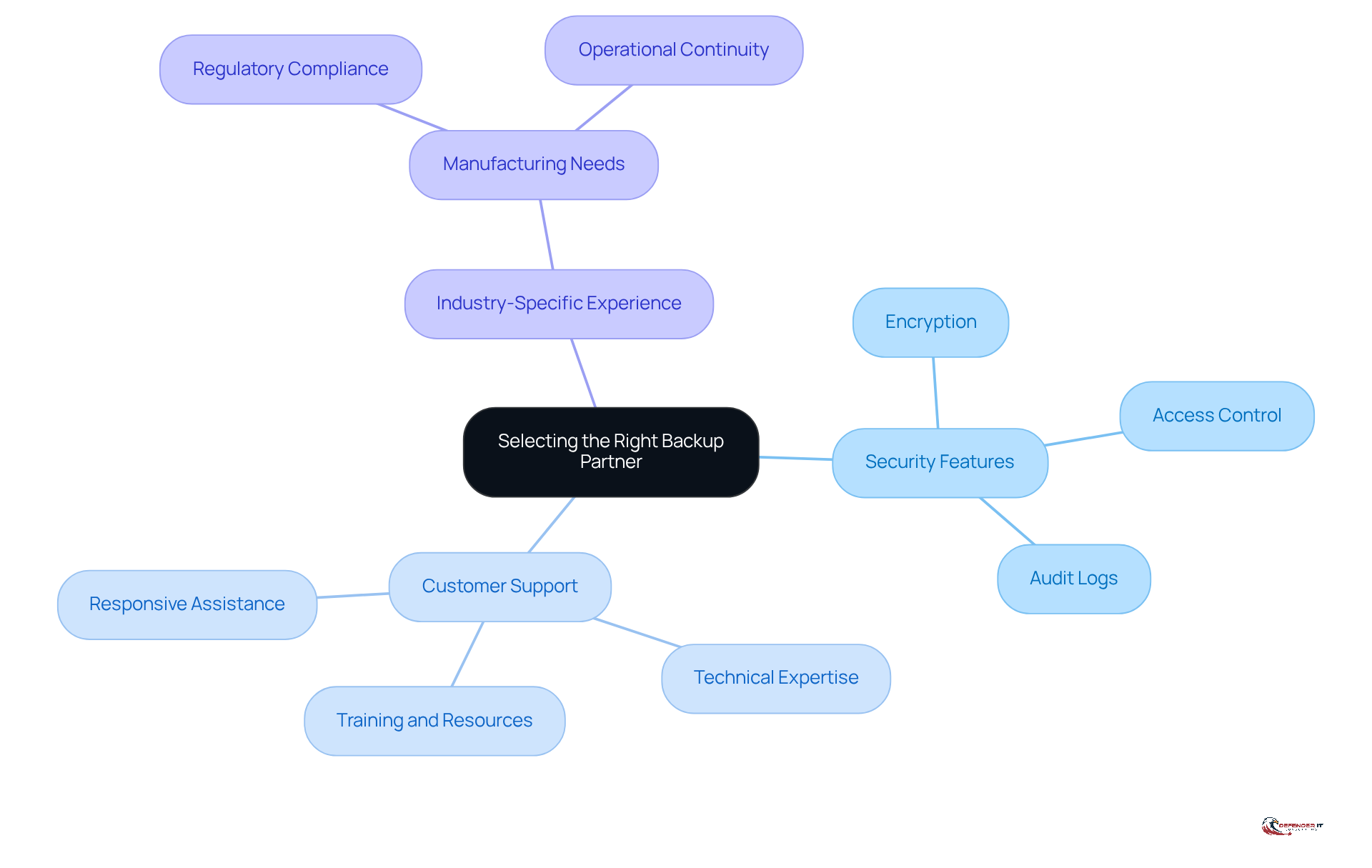
Choosing the right backup partner is crucial for maximizing the benefits of managed services. Organizations should evaluate potential providers based on their:
- Security features
- Customer support
- Industry-specific experience
For manufacturers, selecting a provider that specializes in their sector is essential, as they encounter unique challenges such as data loss and compliance issues.
As of 2024, 85% of businesses in the U.S. have a regular information storage system, with 70% utilizing cloud solutions. This trend underscores the increasing reliance on specialized recovery services. Companies like Linamar have successfully transformed their data management strategies by partnering with providers that offer tailored solutions, enhancing both security and recovery.
This industry-focused approach not only boosts operational efficiency but also ensures that services align with specific manufacturing needs. Ultimately, this protects critical information and supports business continuity.
Evaluate Technical Expertise and Infrastructure of Backup Providers
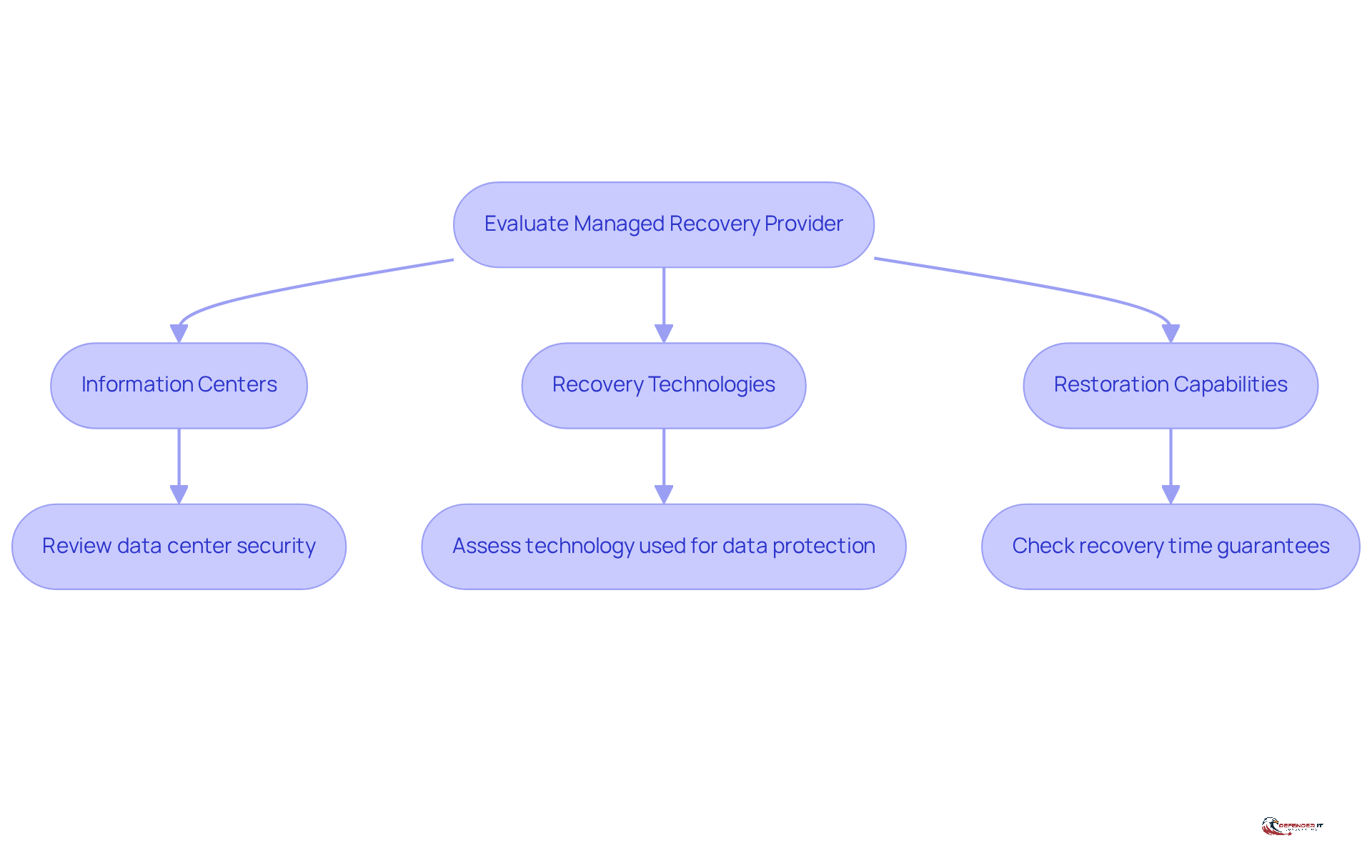
When selecting a backup provider, organizations must prioritize the assessment of technical expertise. This evaluation should encompass a thorough review of their infrastructure, recovery technologies, and service offerings. For instance, a manufacturing company should verify that their chosen provider employs best practices to safeguard their data and can assure compliance.
Scrutinize Service Level Agreements for Assurance
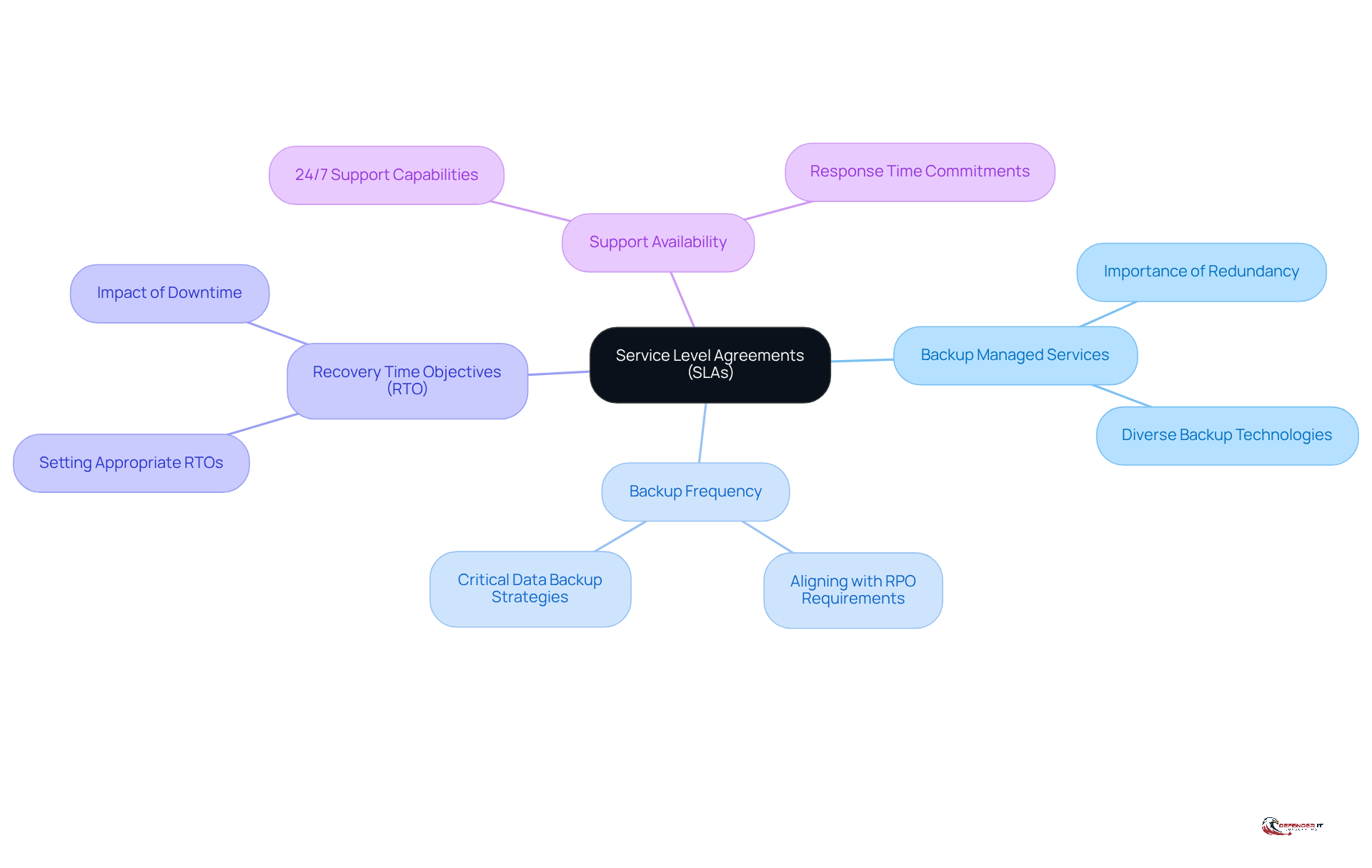
Service Level Agreements (SLAs) are essential documents that delineate the expectations and responsibilities of service providers. Organizations must conduct a thorough review of SLAs to confirm they encompass critical elements, including:
For instance, a manufacturing firm should prioritize an SLA that guarantees support in the event of information loss, thereby minimizing downtime.
Explore Future Trends in Data Protection with Managed Backup Services
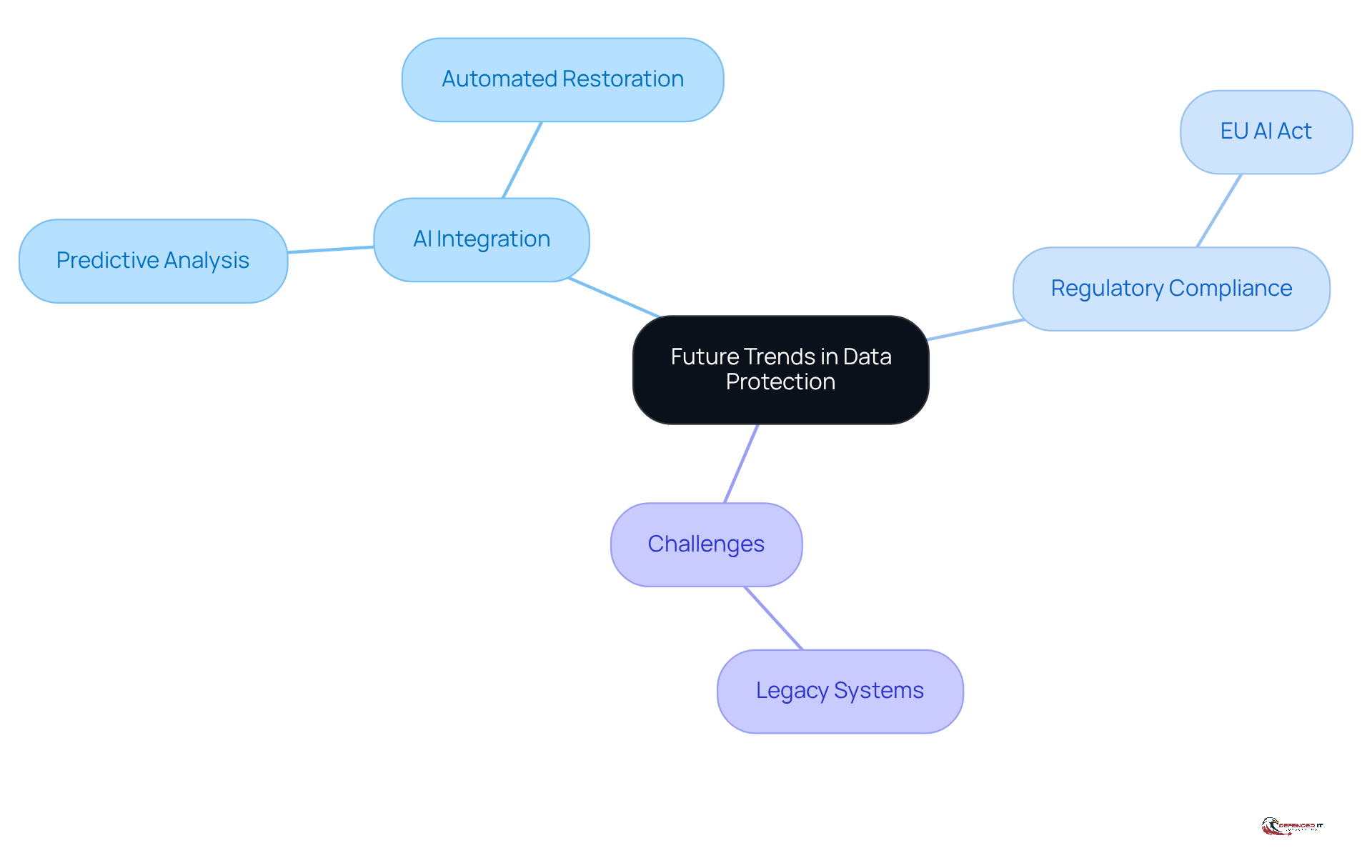
As technology progresses, the threats to information security evolve, necessitating that organizations remain vigilant about emerging trends in information protection. A significant trend is the increasing integration of artificial intelligence (AI) in data recovery processes. Manufacturing companies, for instance, are leveraging AI to enhance their recovery systems by predicting potential information loss scenarios and automating restoration actions. This proactive approach not only improves efficiency but also ensures information integrity.
AI-powered solutions can analyze historical trends to pinpoint vulnerabilities, allowing manufacturers to develop robust recovery strategies tailored to their specific operational needs. Jessica L. Copeland notes, “In 2026, organizations will face a markedly more complex landscape,” underscoring the necessity of proactive measures. Furthermore, the anticipated implementation of the EU AI Act in 2026 will require manufacturers to adopt new compliance standards, further emphasizing the critical role of AI integration in support systems.
However, challenges posed by legacy systems, as highlighted in recent studies, may impede the effective deployment of these advanced solutions. Consequently, the adoption of AI in data management is becoming essential for manufacturers seeking to strengthen their security posture and ensure business continuity.
Conclusion
In conclusion, backup managed services are essential for enhancing the security and resilience of manufacturing operations. By ensuring that critical data is routinely backed up and can be swiftly restored, these services protect companies from the severe consequences of data loss, such as financial ruin and operational downtime. Given the increasing cyber threats faced by the manufacturing sector, the implementation of robust backup solutions is crucial.
The benefits of backup managed services are significant. They improve business continuity, lead to substantial cost savings, enhance security and compliance, and allow IT resources to focus on strategic initiatives. Proactive monitoring and regular recovery drills ensure that manufacturers are well-prepared for potential disruptions. Additionally, selecting the right backup partner and carefully reviewing service level agreements are vital steps in maximizing these advantages.
As technology continues to evolve, manufacturers must prioritize data protection strategies to safeguard their operations. Embracing managed backup services not only strengthens their defenses against cyber threats but also positions them for long-term success in a competitive market. Taking decisive action now to implement these solutions will ensure that manufacturing firms remain resilient and capable of navigating future challenges.
Frequently Asked Questions
What are backup managed services, and why are they important for production companies?
Backup managed services are essential for production companies as they ensure that critical information is routinely saved and can be quickly recovered during emergencies. This minimizes downtime and helps protect both revenue and reputation, allowing operations to resume swiftly after incidents like cyber attacks.
How prevalent are ransomware incidents among small and mid-sized enterprises?
In 2025, nearly 1 in 4 small and mid-sized enterprises experienced ransomware incidents, highlighting the urgent need for robust recovery solutions to protect against data loss and mitigate financial repercussions.
What are the consequences of data loss for firms?
Research indicates that 93% of firms that lose data for 10 days or longer file for bankruptcy within a year, and 94% of companies suffering catastrophic data loss do not survive, underscoring the necessity of a comprehensive disaster recovery plan.
What is the 5-4-3-2-1 recovery methodology?
The 5-4-3-2-1 recovery methodology is a structured approach to data protection that helps production companies enhance their disaster recovery efforts against cyber threats.
How do managed recovery solutions benefit manufacturing firms financially?
Managed recovery solutions provide predictable pricing structures that facilitate efficient budgeting and financial planning. By outsourcing support functions, manufacturers can significantly reduce costs associated with internal storage systems, reallocating resources to enhance overall efficiency.
What financial savings have companies reported from outsourcing their support functions?
Some businesses have reported reductions of up to 70% in labor costs through outsourcing, highlighting the financial benefits of managed backup solutions.
How do managed backup services enhance security and compliance?
Managed backup services enhance security by employing advanced encryption and strict access controls to protect sensitive information. They also ensure compliance with industry regulations through regular audits and compliance reports.
Why is there a growing demand for robust recovery services in the healthcare sector?
With 40% of healthcare organizations experiencing phishing attacks in the past year, there is a significant demand for robust recovery services to mitigate threats and safeguard critical information, ensuring compliance with regulations such as HIPAA.
List of Sources
- Enhance Business Continuity with Backup Managed Services
- linkedin.com (https://linkedin.com/pulse/cybersecurity-manufacturing-2026-thriveon-l8xpc)
- Data Loss Statistics In The US In 2025 / Infrascale (https://infrascale.com/data-loss-statistics-usa)
- World Backup Day Quotes from Experts for 2025 – Best Backup and Disaster Recovery Tools, Software, Solutions & Vendors (https://solutionsreview.com/backup-disaster-recovery/world-backup-day-quotes-from-experts-for-2025)
- unitrends.com (https://unitrends.com/blog/what-are-the-consequences-of-data-loss)
- Achieve Cost Savings and Predictability through Managed Backup Solutions
- World Backup Day Quotes from Experts for 2025 – Best Backup and Disaster Recovery Tools, Software, Solutions & Vendors (https://solutionsreview.com/backup-disaster-recovery/world-backup-day-quotes-from-experts-for-2025)
- prialto.com (https://prialto.com/blog/outsourcing-statistics-trends)
- 35 Outsourcing Statistics For 2026 (https://myoutdesk.com/blog/outsourcing-statistics)
- solutionsreview.com (https://solutionsreview.com/backup-disaster-recovery/world-backup-day-quotes)
- microsourcing.com (https://microsourcing.com/learn/blog/the-ultimate-list-of-outsourcing-statistics)
- Ensure Enhanced Security and Compliance with Managed Backup Services
- 2026 Cloud Managed Data Center Services Guide – IT GOAT (https://itgoat.com/blog/2026-cloud-managed-data-center-services-guide)
- huntress.com (https://huntress.com/blog/data-breach-statistics)
- valonaintelligence.com (https://valonaintelligence.com/resources/blog/7-cybersecurity-statistics-for-heavy-manufacturing-companies)
- healthcareitleaders.com (https://healthcareitleaders.com/blog/9-must-read-quotes-on-security-from-healthcare-cisos)
- Topic: Cybercrime and the manufacturing industry worldwide (https://statista.com/topics/10742/manufacturing-industry-cyber-crime?srsltid=AfmBOoq\_m5LCjQZlFTSzhdsbEbo89z3rhO6-yTWZP1uuFo6X5iAWnUtz)
- Free Your IT Team for Strategic Work with Managed Backup Services
- Here Are 20 Famous Outsourcing Quotes to Get Inspired Today – Floowi (https://floowitalent.com/here-are-20-famous-outsourcing-quotes-to-get-inspired-today)
- +20 Tech & IT Quotes to Find Inspiration (https://blog.invgate.com/it-quotes)
- Leverage Proactive Monitoring and Reporting for Data Integrity
- World Backup Day Quotes from Experts for 2025 – Best Backup and Disaster Recovery Tools, Software, Solutions & Vendors (https://solutionsreview.com/backup-disaster-recovery/world-backup-day-quotes-from-experts-for-2025)
- The Best MSP Backup Solution – [2026 Updated] (https://acronis.com/en/blog/posts/online-backup-msp)
- Proactive IT Management: 20 Industry Stats You Should Know (https://corcystems.com/insights/proactive-it-management-20-industry-stats-you-should-know)
- integrate.io (https://integrate.io/blog/data-quality-improvement-stats-from-etl)
- Conduct Regular Recovery Drills to Ensure Backup Reliability
- System Updates In Disaster Recovery Statistics: USA | Infrascale (https://infrascale.com/system-updates-disaster-recovery-statistics-usa)
- consilien.com (https://consilien.com/news/disaster-recovery-drills-how-to-prepare-your-team-for-the-unexpected)
- World Backup Day Quotes from Experts for 2025 – Best Backup and Disaster Recovery Tools, Software, Solutions & Vendors (https://solutionsreview.com/backup-disaster-recovery/world-backup-day-quotes-from-experts-for-2025)
- The Importance of Regular Disaster Recovery Testing and Updates – VAST (https://vastitservices.com/blog/the-importance-of-regular-disaster-recovery-testing-and-updates)
- Select the Right Backup Partner for Optimal Results
- The Importance Of Backup Solutions For Your Business – Ransomware Help (https://ransomwarehelp.com/backup-data-recovery/backup-solutions-for-your-business)
- World Backup Day Quotes from Experts for 2025 – Best Backup and Disaster Recovery Tools, Software, Solutions & Vendors (https://solutionsreview.com/backup-disaster-recovery/world-backup-day-quotes-from-experts-for-2025)
- Backup Statistics By Users, Companies, Frequency, Country And Technology Adoption (2025) (https://electroiq.com/stats/backup-statistics)
- Enterprises are neglecting backup plans, and experts warn it could come back to haunt them (https://itpro.com/hardware/storage/enterprises-are-neglecting-backup-plans-and-experts-warn-it-could-come-back-to-haunt-them)
- Global manufacturing company saves time and costs with SaaS-based Commvault M365 Backup & RecoveryGlobal manufacturing company saves time and costs with SaaS-based Commvault M365 Backup & Recovery (https://commvault.com/resources/case-studies/case-study-linamar)
- Evaluate Technical Expertise and Infrastructure of Backup Providers
- World Backup Day Quotes from Experts for 2025 – Best Backup and Disaster Recovery Tools, Software, Solutions & Vendors (https://solutionsreview.com/backup-disaster-recovery/world-backup-day-quotes-from-experts-for-2025)
- Backblaze Drive Stats for 2025 (https://backblaze.com/blog/backblaze-drive-stats-for-2025)
- Critical servers under attack: Why backup isn’t enough in 2026 (https://acronis.com/en/blog/posts/critical-servers-under-attack-why-backup-isnt-enough-in-2026)
- Essential Data Backup and Recovery Statistics for 2024 – TeleData Select (https://teledataselect.com/7-essential-data-backup-and-recovery-statistics-for-the-year-2024)
- Scrutinize Service Level Agreements for Assurance
- How to set SLA indicators for backup and recovery time? – Tencent Cloud (https://tencentcloud.com/techpedia/130369)
- Managed Services SLA: What to Expect in 2026 | sa.global (https://saglobal.com/en-us/insights/managed-services-slas-what-you-should-expect.html)
- solutionsreview.com (https://solutionsreview.com/backup-disaster-recovery/world-backup-day-quotes)
- Explore Future Trends in Data Protection with Managed Backup Services
- Data, Cyber + Privacy Predictions for 2026 | Morrison Foerster (https://mofo.com/resources/insights/251218-data-cyber-privacy-predictions-for-2026)
- manufacturing-today.com (https://manufacturing-today.com/news/ai-in-manufacturing-set-to-unleash-new-era-of-profit)
- Tech Trends 2026: How AI, Data and Security Are Reshaping Manufacturing (https://biztechmagazine.com/article/2025/12/tech-trends-2026-how-ai-data-and-security-are-reshaping-manufacturing)
- bsk.com (https://bsk.com/news-events-videos/what-39-s-on-the-horizon-2026-data-privacy-trends-that-will-redefine-compliance)