Business
4 Best Practices for Choosing a GDPR Consultant in Manufacturing
Published June 21, 2026
Introduction
Manufacturers are grappling with the daunting task of GDPR compliance, where missteps can lead to severe penalties and reputational harm. Selecting the right GDPR consultant is crucial, as it can significantly influence an organization’s ability to protect personal data and avoid costly penalties. With so many consultants out there, how can organizations find one that truly grasps their specific needs and the complexities of GDPR? In this piece, we’ll delve into best practices for selecting a GDPR consultant, highlighting key criteria and questions that can foster a successful partnership for compliance.
Understand GDPR Fundamentals and Requirements
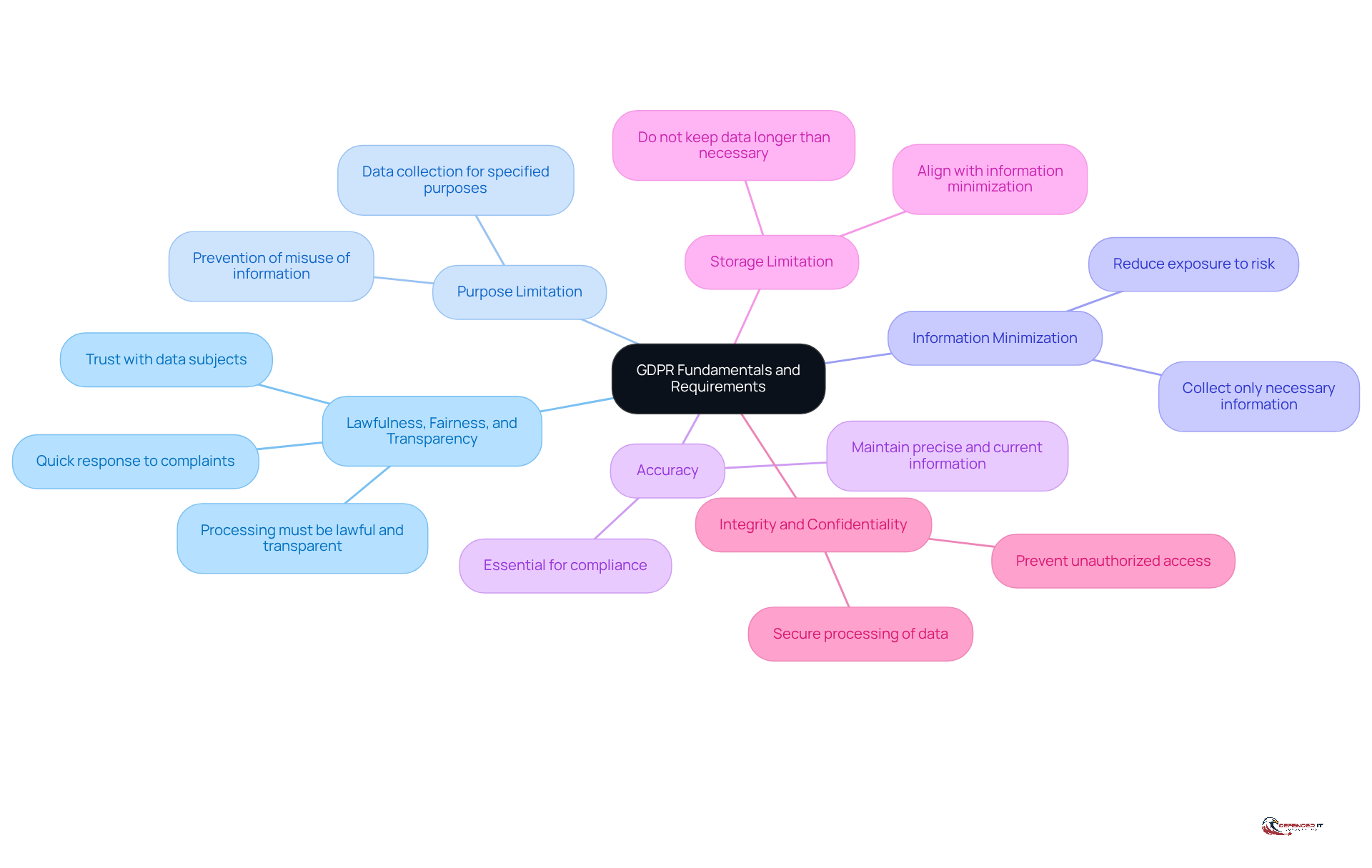
Choosing a GDPR consultant necessitates a thorough understanding of the General Data Protection Regulation and its essential requirements, as non-compliance can result in serious consequences for organizations. This comprehensive privacy protection law regulates the management of personal information belonging to EU citizens. Key principles include:
- Lawfulness, Fairness, and Transparency: Organizations must ensure that personal data is processed lawfully and transparently, fostering trust with data subjects. As Emily Keaney, Deputy Commissioner at the Information Commissioner’s Office, highlights, “A privacy protection complaint can arise from any customer at any time.” Having a clear process means you can respond quickly, resolve issues fairly, and protect the trust your customers place in you.
- Purpose Limitation: Data collection should be limited to specified, legitimate purposes, preventing misuse of information.
- Information Minimization: Only information necessary for the intended purpose should be collected, reducing exposure to risk.
- Accuracy: Organizations are required to maintain precise and current information, which is essential for compliance and operational integrity.
- Storage Limitation: Personal information must not be kept longer than necessary, aligning with the principle of information minimization.
- Integrity and Confidentiality: Data must be processed securely to prevent unauthorized access, ensuring the protection of sensitive information.
Understanding these principles helps organizations assess potential GDPR consultants and their capability to meet these essential requirements. Furthermore, with the introduction of the Digital Omnibus proposal, entities must stay alert in adjusting their data protection practices to comply with new regulatory expectations, such as the requirement for a ‘single-click’ button in cookie banners. As the deadline of June 19, 2026, approaches for implementing these changes, it is crucial for entities to act promptly. Moreover, analyzing successful data protection regulation implementation examples in regulated sectors can offer valuable insights into best practices and common pitfalls to avoid when choosing a data protection consultant.
Evaluate Potential Consultants with Key Questions
Identifying the right GDPR consultant is essential for organizations dealing with the complexities of data protection compliance. When evaluating potential GDPR consultants, organizations should consider the following key inquiries to gauge their expertise and suitability:
- Please detail your experience with data protection regulations. Seek a GDPR consultant who has a demonstrated history of assisting entities in attaining data protection compliance.
- References from previous clients would be appreciated to assess your effectiveness and reliability.
- It is essential to understand the specific services you offer to ensure alignment with our organization’s requirements, such as information audits, policy development, and training.
- Your approach to staying informed about changes in data protection regulations is crucial for our collaboration.
- Understanding your approach to risk assessment will help us evaluate your ability to identify and mitigate risks related to information processing.
These inquiries will assist entities in recognizing a GDPR consultant who not only comprehends data protection regulations but can also provide practical insights tailored to their specific situation. Ultimately, the right questions can lead to a partnership that strengthens your organization’s data protection strategy.

Identify Essential Services Offered by GDPR Consultants
Selecting a gdpr consultant requires a strategic approach to ensure compliance with complex regulations. Organizations must prioritize a suite of essential services that bolster their compliance efforts:
- Data Audits: Data audits are essential for identifying compliance gaps in current data handling practices. A major issue is that less than half (49 percent) of companies have a structure in place to tackle data protection regulations, emphasizing the necessity for thorough audits. As TJC Group states, “The complexity of global information privacy adherence demands specialist knowledge,” underscoring the importance of thorough audits.
- Policy Development: Policy development is critical for ensuring compliance with regulatory requirements. The complexity of global data privacy regulations necessitates specialist knowledge to ensure policies are effective and up-to-date.
- Training and Awareness Programs: Continuous training for personnel is crucial to guarantee they comprehend their duties under data protection regulations. This ongoing training ensures that personnel are well-prepared to meet their compliance obligations, as many entities lack clarity on their obligations.
- Information Protection Impact Assessments (DPIAs): Information Protection Impact Assessments (DPIAs) are vital for evaluating the privacy implications of proposed projects. This proactive approach helps organizations mitigate risks before they arise.
- Incident Response Planning: Developing strategies to effectively respond to data breaches and other incidents is critical. Establishing a robust incident response plan is essential for minimizing the impact of data breaches. As the ICO has indicated, ‘cookie adherence will be a renewed area of enforcement,’ highlighting the significance of having a robust incident response plan established.
By ensuring that the selected gdpr consultant provides these services, entities can manage the intricacies of data protection regulations more efficiently, transforming possible obstacles into strategic benefits. For example, the ‘Data Privacy in 2026’ case study demonstrates how organizations can utilize regulatory challenges as strategic advantages with the right support. With the right guidance, organizations can turn compliance challenges into opportunities for growth and innovation.

Ensure Continuous Support and Training for Compliance
Adhering to data protection regulations demands ongoing commitment and adaptability from organizations. Organizations should ensure that their chosen consultant provides:
- Regular Compliance Reviews: Periodic assessments to ensure ongoing adherence to GDPR requirements. These evaluations assist in recognizing adherence gaps and reducing risks, as specialists emphasize the importance of continuous assessment in upholding standards.
- Updated Training Programs: Continuous training sessions to keep staff informed about changes in regulations and best practices. For example, companies can introduce training initiatives that emphasize the most recent GDPR updates and practical applications, ensuring that staff are well-prepared to manage regulatory challenges. Many organizations struggle with compliance, as evidenced by the high percentage of violations in Google Consent Mode v2 implementations.
- Access to Resources: Provision of tools and resources that assist entities in upholding regulations, such as templates and guidelines. These resources empower teams to streamline processes and stay aligned with regulatory expectations.
- Consultation on New Projects: Ongoing guidance on how new initiatives may affect information protection and regulations. This proactive strategy guarantees that entities are ready for changes, particularly with the forthcoming EU AI Act’s adherence deadline on August 2, 2026, which will further impact GDPR requirements, highlighting the importance of a gdpr consultant.
This shift towards a culture of compliance is essential for organizations to navigate the evolving regulatory landscape. Ultimately, a proactive approach to compliance not only mitigates risks but also positions organizations favorably in an increasingly regulated environment.

Conclusion
The choice of a GDPR consultant in the manufacturing sector is pivotal for ensuring compliance and fostering a robust data protection culture. By understanding the fundamentals of GDPR and the essential services that consultants provide, organizations can make informed choices that not only ensure compliance but also promote a culture of data protection.
Key practices for selecting a GDPR consultant include:
- Evaluating their experience and the services they offer.
- Assessing their approach to ongoing compliance support.
Organizations should ask potential consultants about:
- Their experience with data protection regulations.
- The specific services they provide.
- Their strategies for staying updated on regulatory changes.
Continuous training and regular compliance reviews are necessary to maintain adherence to GDPR requirements.
Choosing a knowledgeable GDPR consultant is crucial for navigating compliance effectively. Organizations must prioritize this decision to manage the complexities of data protection regulations. By doing so, they not only mitigate risks associated with non-compliance but also position themselves to leverage regulatory challenges as opportunities for growth and innovation. Embracing a culture of compliance can empower organizations to thrive in an increasingly regulated environment, ensuring they remain trustworthy stewards of personal data.
Frequently Asked Questions
What is the General Data Protection Regulation (GDPR)?
The GDPR is a comprehensive privacy protection law that regulates the management of personal information belonging to EU citizens, ensuring that organizations handle this data lawfully and transparently.
What are the key principles of GDPR?
The key principles of GDPR include Lawfulness, Fairness, and Transparency; Purpose Limitation; Information Minimization; Accuracy; Storage Limitation; and Integrity and Confidentiality.
Why is Lawfulness, Fairness, and Transparency important in GDPR?
This principle ensures that personal data is processed lawfully and transparently, fostering trust with data subjects and allowing organizations to respond quickly to privacy complaints.
What does Purpose Limitation mean in the context of GDPR?
Purpose Limitation means that data collection should be limited to specified, legitimate purposes to prevent the misuse of information.
How does Information Minimization relate to GDPR compliance?
Information Minimization requires organizations to only collect information that is necessary for the intended purpose, which helps reduce exposure to risk.
Why is maintaining Accuracy of data important under GDPR?
Organizations must maintain precise and current information to ensure compliance and operational integrity, which is essential for protecting personal data.
What is the Storage Limitation principle in GDPR?
The Storage Limitation principle states that personal information must not be kept longer than necessary, aligning with the principle of information minimization.
How does GDPR ensure Integrity and Confidentiality of data?
GDPR mandates that data must be processed securely to prevent unauthorized access, ensuring the protection of sensitive information.
What is the significance of the Digital Omnibus proposal in relation to GDPR?
The Digital Omnibus proposal introduces new regulatory expectations, such as the requirement for a ‘single-click’ button in cookie banners, which organizations must comply with by the deadline of June 19, 2026.
How can organizations assess potential GDPR consultants?
Organizations can assess potential GDPR consultants by understanding the key principles of GDPR and analyzing successful data protection regulation implementation examples in regulated sectors to identify best practices and common pitfalls.
List of Sources
- Understand GDPR Fundamentals and Requirements
- Marking 10 years of the GDPR: the evolution of the European data protection landscape | European Data Protection Board (https://edpb.europa.eu/news/news/2026/marking-10-years-gdpr-evolution-european-data-protection-landscape\_en)
- GDPR Changes: What To Know for Ongoing Compliance in 2026 (https://usercentrics.com/knowledge-hub/gdpr-changes)
- Data privacy in 2026: How GDPR compliance landscape is evolving (https://tjc-group.com/blogs/data-privacy-in-2026-how-gdpr-compliance-landscape-is-evolving)
- One month to go: what businesses need to know to meet new data law (https://ico.org.uk/about-the-ico/media-centre/news-and-blogs/2026/05/one-month-to-go-what-businesses-need-to-know-to-meet-new-data-law)
- 30 Days to GDPR Compliance Deadline: Four Things to Know: Law Firm, Attorneys, Lawyers – Honigman (https://honigman.com/alert-30-days-to-gdpr-compliance-deadline-four-things-to-know)
- Evaluate Potential Consultants with Key Questions
- Data Privacy Management Platform | Governance, Risk, Compliance & Privacy Partner (https://privacyengine.io/blog/finding-the-right-gdpr-consultants)
- 20+ GDPR statistics you need to know in 2026 (https://forms.app/en/blog/gdpr-statistics)
- Data Privacy Statistics [2026]: 51+ Laws, Fines & Trends (https://app.stationx.net/articles/data-privacy-statistics)
- Questions to Ask GDPR Consultants Before You Sign the Contract (https://cmswire.com/information-management/questions-to-ask-your-gdpr-consultant-before-you-sign-the-contract)
- What US-Based Companies Need to Know About the GDPR, and Why Now? | Insights | Dickinson Wright (https://dickinson-wright.com/news-alerts/what-usbased-companies-need-to-know)
- Identify Essential Services Offered by GDPR Consultants
- Data protection digest 3 May 2026: 10 years on, the GDPR continues to support the digital market, legal certainty and enforcement – TechGDPR (https://techgdpr.com/blog/data-protection-digest-06052026-10-years-on-the-gdpr-continues-to-support-the-digital-market-legal-certainty-and-enforcement)
- Data privacy in 2026: How GDPR compliance landscape is evolving (https://tjc-group.com/blogs/data-privacy-in-2026-how-gdpr-compliance-landscape-is-evolving)
- With Less Than 80 Days To Regulatory Deadline, Neo4j Urges Organizations To Turn GDPR Compliance Into Strategic Advantage (https://prnewswire.com/news-releases/with-less-than-80-days-to-regulatory-deadline-neo4j-urges-organizations-to-turn-gdpr-compliance-into-strategic-advantage-300615622.html)
- Marking 10 years of the GDPR: the evolution of the European data protection landscape | European Data Protection Board (https://edpb.europa.eu/news/news/2026/marking-10-years-gdpr-evolution-european-data-protection-landscape\_en)
- A Shocking Number of Companies are Unprepared for GDPR (https://solutionsreview.com/data-management/a-shocking-number-of-companies-are-unprepared-for-gdpr)
- Ensure Continuous Support and Training for Compliance
- Unlocking GDPR Compliance: A Critical Step in Breakout’s Global Growth (https://breakoutlearning.com/newsroom/news/gdpr-compliance-complete)
- Staying Ahead of GDPR Compliance Updates in 2026: What Tech & Data Leaders Need to Know (https://bigid.com/blog/gdpr-compliance-updates-for-tech-data-leaders)
- GDPR Compliance in 2026: The Complete Guide (https://secureprivacy.ai/blog/gdpr-compliance-2026)
- GDPR Compliance in 2026: Why Privacy Governance Is Now a Business Priority (https://linkedin.com/pulse/gdpr-compliance-2026-why-privacy-governance-now-business-priority-6msuc)
- 5 Emerging Data Privacy Trends in 2026 (https://osano.com/articles/data-privacy-trends)