Business
4 Best Practices for Digital Consulting in Cybersecurity Compliance
Published June 1, 2026
Introduction
In an era marked by escalating cyber threats, organizations must navigate the complex landscape of cybersecurity compliance with both precision and foresight. Navigating compliance is fraught with challenges that can lead to significant repercussions, including severe penalties and data breaches that jeopardize sensitive information. This article delves into four essential best practices that not only enhance compliance but also fortify an organization’s defenses against evolving digital threats. Companies must effectively balance regulatory requirements with proactive security measures to ensure compliance and resilience.
Understand Cybersecurity Compliance Requirements
Understanding the specific cybersecurity regulations that govern your industry is crucial for effective compliance. Key regulations include GDPR, HIPAA, PCI DSS, and others that dictate how sensitive data should be handled and protected. Organizations must conduct a thorough evaluation to identify applicable regulations and create a roadmap that clearly outlines timelines, assigns responsible parties, and defines specific regulatory objectives. For example, a financial institution may need to focus on PCI DSS adherence to protect cardholder data, while a healthcare provider must prioritize HIPAA to safeguard patient information. Consistently reviewing and updating this regulatory roadmap is essential to adapt to evolving regulations and emerging threats.
A staggering 44% of organizations have faced a cloud data breach, underscoring the urgent need for a robust regulatory roadmap. Successful case studies demonstrate the effectiveness of structured adherence roadmaps. For instance, MMG Fusion encountered substantial consequences for not establishing a regulatory roadmap, leading to a $10,000 settlement after an incident revealed personal health information of around 15 million people. Organizations that have established strong HIPAA adherence strategies have observed notable enhancements in their data protection measures, lowering the risk of breaches and improving their overall security posture.
Cybersecurity specialists stress that a clearly outlined regulatory framework not only guarantees conformity to rules but also promotes a culture of security within the entity. As Steve Alder pointed out, “The changes to the Security Rule will enhance digital security in the health care sector by reinforcing requirements to protect electronic protected health information to prevent, detect, contain, mitigate, and recover from digital threats.” A well-structured compliance roadmap not only mitigates risks but also fortifies the organization against future threats, enabling entities to navigate the complexities of cybersecurity compliance effectively.

Conduct Regular Vulnerability Assessments
In an era where cyber threats are increasingly sophisticated, regular vulnerability evaluations are crucial for safeguarding a company’s IT infrastructure. It is recommended that these assessments occur at least quarterly and following any significant system changes. With 131 vulnerabilities disclosed every day in 2025, and the median time to exploit now under 5 days, the urgency for regular assessments cannot be overstated.
Automated tools can efficiently scan for vulnerabilities. However, manual testing is essential to uncover issues that automated methods may overlook. For instance, a recent case study involving the Change Healthcare incident demonstrated the severe consequences of inadequate vulnerability management, highlighting the critical need for a proactive approach.
A combination of automated scans and manual penetration testing successfully identified critical vulnerabilities in a healthcare provider’s patient management system. After conducting these assessments, entities should prioritize vulnerabilities based on their risk levels and implement remediation strategies without delay. By taking a proactive approach, organizations not only comply with regulations but also reduce the risk of data breaches, thereby protecting sensitive information.

Develop a Comprehensive Incident Response Plan
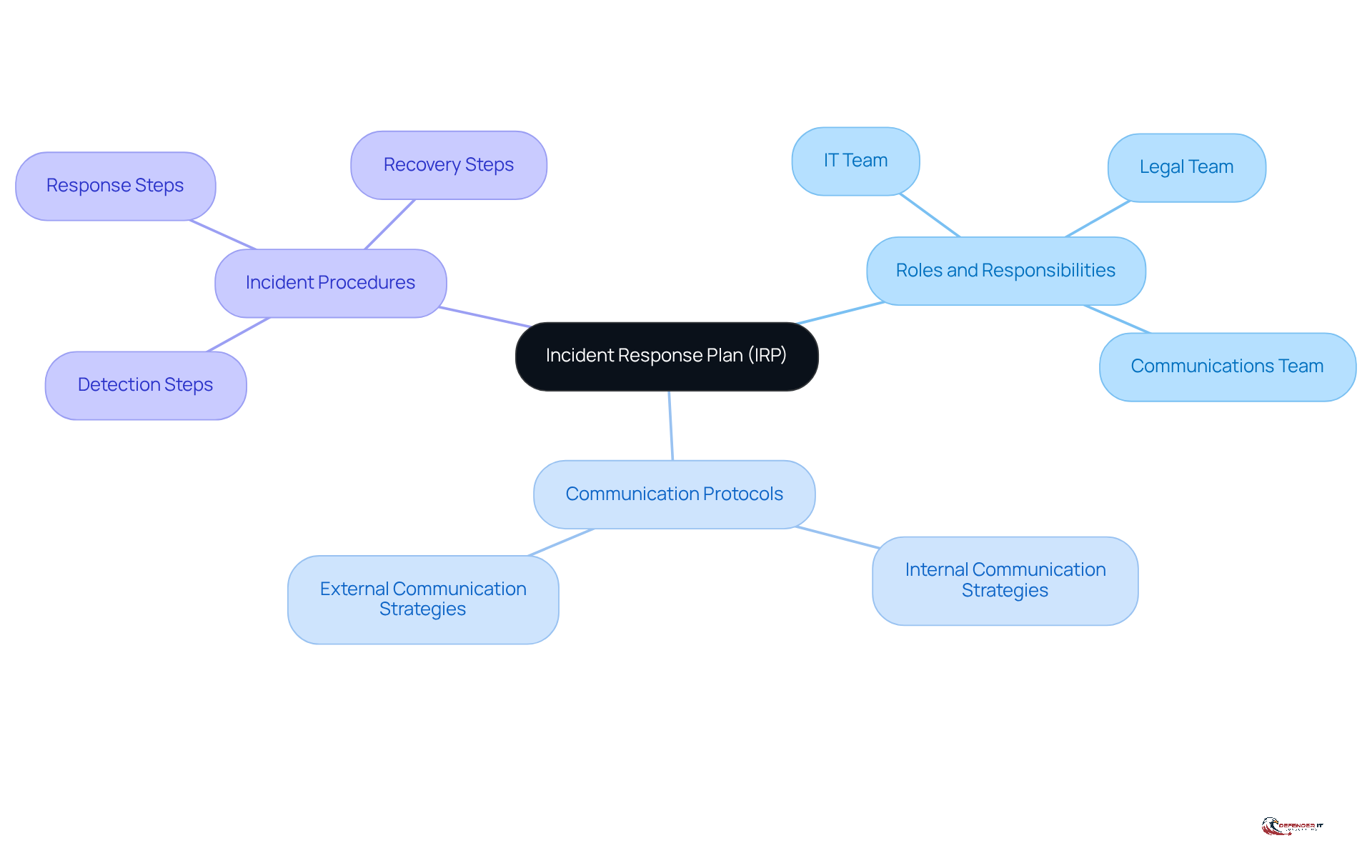
Without a comprehensive incident response plan (IRP), organizations face significant challenges in effectively managing cybersecurity incidents. The IRP should encompass the following key components:
- Clear roles and responsibilities
- Communication protocols
- Procedures for detecting, responding to, and recovering from incidents
For instance, organizations should establish an incident response team that includes members from IT, legal, and communications departments. Regular training and simulations should be conducted to ensure that all team members are familiar with their roles. Ultimately, a robust IRP not only mitigates risks but also safeguards an organization’s reputation and financial standing in the face of potential breaches.
Implement Continuous Training and Support Programs
Ongoing training and support initiatives are essential for cultivating a security-aware culture within organizations. Employees must engage in regular training that addresses the latest digital security threats, compliance requirements, and best practices. Training should include diverse formats such as:
- Workshops
- E-learning modules
- Simulated phishing exercises
to ensure comprehensive coverage of potential threats. Multi-channel simulations, including vishing and deepfake scenarios, prepare employees for various attack types. For instance, entities that implemented ongoing security awareness training reported a remarkable 70% reduction in successful phishing attacks.
Furthermore, providing continuous support through personalized training based on user risk profiles and resources such as dedicated helpdesks for cybersecurity inquiries is crucial. This proactive approach not only reduces incidents but also enhances overall organizational resilience against cyber threats. By investing in employee education, organizations not only bolster their compliance efforts but also empower their workforce to effectively recognize and respond to potential threats, ultimately mitigating the financial impact of data breaches, which averaged $4.44 million in 2023.

Conclusion
Organizations face increasing challenges in protecting sensitive data while meeting regulatory standards. Understanding and implementing best practices in digital consulting for cybersecurity compliance is essential for organizations aiming to safeguard their information and adhere to necessary regulations. By focusing on a structured approach that encompasses compliance requirements, regular vulnerability assessments, comprehensive incident response plans, and continuous training, organizations can significantly enhance their cybersecurity posture.
Key insights from this article highlight:
- The necessity of a well-defined regulatory roadmap tailored to specific industry requirements.
- The critical role of frequent vulnerability assessments to identify and mitigate risks.
- The importance of having a robust incident response plan in place.
Additionally, fostering a culture of security through ongoing training and support empowers employees to recognize threats and respond effectively, ultimately reducing the likelihood of breaches.
However, many organizations struggle to navigate the complexities of cybersecurity compliance. Failure to adopt these practices can lead to significant security breaches and regulatory penalties. With the ever-changing cybersecurity landscape, it’s crucial for organizations to focus on these best practices to not only comply with current regulations but also to build resilience against future threats. Embracing these strategies will not only safeguard sensitive information but also fortify the organization’s reputation and financial health. By prioritizing cybersecurity compliance, organizations not only protect their data but also enhance their long-term viability in a competitive market.
Frequently Asked Questions
Why is understanding cybersecurity compliance requirements important?
Understanding cybersecurity compliance requirements is crucial for effective compliance as it helps organizations adhere to specific regulations governing their industry, ensuring the protection of sensitive data.
What are some key cybersecurity regulations organizations should be aware of?
Key regulations include GDPR (General Data Protection Regulation), HIPAA (Health Insurance Portability and Accountability Act), and PCI DSS (Payment Card Industry Data Security Standard), among others that dictate how sensitive data should be handled and protected.
How should organizations approach the evaluation of applicable regulations?
Organizations must conduct a thorough evaluation to identify applicable regulations and create a roadmap that outlines timelines, assigns responsible parties, and defines specific regulatory objectives.
Can you provide an example of how different industries focus on specific regulations?
A financial institution may need to focus on PCI DSS adherence to protect cardholder data, while a healthcare provider must prioritize HIPAA to safeguard patient information.
Why is it important to consistently review and update the regulatory roadmap?
Consistently reviewing and updating the regulatory roadmap is essential to adapt to evolving regulations and emerging threats, ensuring ongoing compliance and data protection.
What statistics highlight the urgency of having a robust regulatory roadmap?
A staggering 44% of organizations have faced a cloud data breach, emphasizing the urgent need for a comprehensive regulatory roadmap.
What are the consequences of not having a regulatory roadmap?
Organizations that fail to establish a regulatory roadmap can face significant consequences, such as financial penalties. For example, MMG Fusion incurred a $10,000 settlement after a breach revealed personal health information of around 15 million people.
How can strong HIPAA adherence strategies benefit organizations?
Organizations that have established strong HIPAA adherence strategies have observed enhancements in their data protection measures, which lower the risk of breaches and improve their overall security posture.
What is the broader impact of a clearly outlined regulatory framework?
A clearly outlined regulatory framework not only ensures conformity to rules but also promotes a culture of security within the organization, enhancing overall cybersecurity.
How do changes to the Security Rule affect the healthcare sector?
Changes to the Security Rule aim to enhance digital security in the healthcare sector by reinforcing requirements to protect electronic protected health information, helping to prevent, detect, contain, mitigate, and recover from digital threats.
List of Sources
- Understand Cybersecurity Compliance Requirements
- The Impact of Proposed Changes to the HIPAA Security Rule for Business Associates (https://hipaajournal.com/hipaa-security-rule-business-associates)
- List Of Recent Compliance News in 2026 (https://brightdefense.com/resources/recent-compliance-news)
- Cybersecurity & Privacy 2026: Enforcement & Regulatory Trends (https://morganlewis.com/pubs/2026/03/cybersecurity-privacy-2026-enforcement-regulatory-trends)
- Cloud Compliance Testing 2026: HIPAA, GDPR, SOC 2, PCI-DSS (https://vervali.com/blog/cloud-testing-services-security-compliance-requirements-2026-guide-for-hipaa-gdpr-soc-2-pci-dss)
- GDPR Changes: What To Know for Ongoing Compliance in 2026 (https://usercentrics.com/knowledge-hub/gdpr-changes)
- Conduct Regular Vulnerability Assessments
- Health care is not ready for the new era of AI-enabled cyberattacks (https://statnews.com/2026/04/17/health-care-cybersecurity-ransomware-project-glasswing)
- Healthcare Breach Frequency Increases More Than 100% in 2025, Fortified Health Security’s 2026 Horizon Report Finds – Fortified Health Security (https://fortifiedhealthsecurity.com/press-releases/2026-horizon-report-release)
- What the 2026 Vulnerability Statistics Report Tells Us About the State of Security (https://edgescan.com/what-the-2026-vulnerability-statistics-report-tells-us-about-the-state-of-security)
- Vulnerability Statistics 2026: Key Trends & Data | Indusface (https://indusface.com/blog/key-vulnerability-statistics)
- Cyber Resilience in Healthcare: Lessons from the AI-Driven Threat Revolution (https://morphisec.com/blog/cyber-resilience-in-healthcare-lessons-from-the-ai-driven-threat-revolution)
- Develop a Comprehensive Incident Response Plan
- Behind the Firewall: 5 security leaders share incident response plans (https://cybersecuritydive.com/news/behind-firewall-incident-response-plans/604147)
- CISA tells critical organizations to prepare for cyber outages | Federal News Network (https://federalnewsnetwork.com/cybersecurity/2026/05/cisa-tells-critical-organizations-to-prepare-for-cyber-outages)
- How A Security Incident Response Plan Saves Money In Case Of A Cyberattack (https://forbes.com/councils/forbestechcouncil/2025/02/21/how-a-security-incident-response-plan-saves-money-in-case-of-a-cyberattack)
- Strategic Priorities in the 2026 US Cyber Strategy and Cybercrime Executive Order | Weaver (https://weaver.com/resources/strategic-priorities-in-the-2026-us-cyber-strategy-and-cybercrime-executive-order)
- 205 Cybersecurity Stats and Facts for 2026 (https://vikingcloud.com/blog/cybersecurity-statistics)
- Implement Continuous Training and Support Programs
- Why Annual Security Training Isn’t Enough in 2026 | NINJIO (https://ninjio.com/blog/why-cisos-are-moving-beyond-annual-security-awareness-training)
- The Role of Employee Training in Achieving Cybersecurity Compliance (https://allegiantnow.com/the-role-of-employee-training-in-achieving-cybersecurity-compliance)
- Benefits of Security Awareness Training for Organizations (2026) (https://symbolsecurity.com/blog/benefits-of-security-awareness-training-for-organizations)
- Best Practices for Security Awareness Training in 2026 (https://adaptivesecurity.com/blog/security-awareness-training-best-practices-2026)
- New Study Reveals Gaps in Common Types of Cybersecurity Training – Department of Computer Science (https://cs.uchicago.edu/news/new-study-reveals-gaps-in-common-types-of-cybersecurity-training)