Business
5 Best Practices for Digital Transformation Strategy Consulting
Published June 8, 2026
Introduction
As organizations embark on digital transformation, they often encounter significant challenges that can jeopardize their success. The success of these initiatives depends heavily on meticulous planning and execution. This article delves into five essential best practices for digital transformation strategy consulting, offering insights into how organizations can:
- Assess their readiness
- Define clear business goals
- Foster a culture of continuous learning
Neglecting these foundational steps could lead to missed opportunities and diminished market relevance.
Assess Current Organizational Readiness for Digital Transformation
Before embarking on a transformation journey, organizations must confront the reality of their current preparedness. This assessment encompasses existing technologies, processes, and employee skills. Key steps include:
- Conduct a Digital Maturity Evaluation: Utilize frameworks like the Digital Maturity Model to assess your entity’s position regarding technological capabilities. In 2026, five percent more entities are anticipated to allocate over $10 million to technological transformation initiatives, emphasizing the significance of performing such evaluations in strategic planning.
- Identify Key Stakeholders: Engage leadership and department heads to gather insights on current challenges and opportunities. This collaboration ensures that the assessment reflects a comprehensive perspective of the entity.
- Evaluate Technological Infrastructure: Review current IT systems and tools to assess their adequacy for supporting new online initiatives. Overlooking integration requirements can result in significant challenges during implementation; in fact, 40% of entities will miss their AI objectives due to implementation complexity.
- Analyze Employee Skills: Conduct surveys or interviews to gauge digital literacy levels among staff and identify training needs. Comprehending the workforce’s abilities is essential, as many companies overrate their team’s capacity to adapt to change. As noted by Nikola Ilic, “The most common mistake is investing in new tools before fixing foundational issues.”
By systematically evaluating these areas, organizations can develop a clear understanding of their readiness, which will guide subsequent steps in the transformation process. Taking this proactive approach helps mitigate risks and ensures that technological goals align with what the organization can realistically achieve. Moreover, recognizing this reality can be the difference between success and failure in achieving desired business outcomes.

Define Clear Business Goals Aligned with Regulatory Requirements
Establishing clear business objectives is crucial for successful online transformation, especially in regulated sectors where compliance is paramount. To ensure these goals are effective, they should be:
- Specific: Clearly articulate what the entity aims to achieve, such as improving customer experience or increasing operational efficiency.
- Measurable: Research indicates that organizations with measurable goals are 1.4 times more likely to succeed in digital initiatives, while those with defined KPI targets double their chances of successful transformation. Define metrics that will be used to assess progress, such as customer satisfaction scores or cost reductions.
- Achievable: Set realistic goals that take into account the entity’s current capabilities and resources.
- Relevant: Ensure that goals align with the entity’s overall mission and regulatory requirements, particularly in highly regulated industries like finance and healthcare. By aligning compliance efforts with business objectives, companies can minimize risks, enhance efficiency, and create value for stakeholders.
- Time-bound: Establish a timeline for achieving these goals to maintain momentum and accountability. Organizations that convey the desired result before launching are 3.5 times more likely to achieve a successful change.
This alignment not only mitigates compliance risks but also positions organizations for sustainable growth and stakeholder trust. Ultimately, this strategic alignment fosters a culture of accountability and innovation, essential for thriving in today’s complex regulatory landscape.

Involve Key Stakeholders Across Departments
Involving stakeholders from various departments is essential for the success of digital change initiatives, as their insights can significantly influence outcomes. To effectively involve stakeholders, organizations should consider the following strategies:
- Identify Stakeholders: Develop a comprehensive list of individuals and groups affected by the change, including executives, department heads, and frontline employees. This ensures that all relevant perspectives are included.
- Facilitate Open Communication: Establish regular communication channels to share updates, gather feedback, and address concerns. Effective communication fosters transparency and builds trust among stakeholders.
- Conduct Workshops: Organizing workshops fosters cooperation and allows for the collection of diverse perspectives on the change strategy. This participatory approach can lead to innovative solutions and greater buy-in.
- Create Cross-Functional Teams: Form teams that include representatives from different departments to ensure that all perspectives are considered in decision-making. Studies show that organizations with high collaboration levels are more resilient and successful in their digital changes, with projects involving cross-functional teams reaching a success rate of 82% compared to 61% for those lacking them (PMI). Organizations lacking cross-functional collaboration may experience lower success rates and increased project failures, underscoring the importance of cross-functional collaboration in driving successful outcomes.
- Request Input: Consistently ask for feedback from stakeholders during the change process to enhance strategies and handle any arising concerns. Ongoing feedback loops improve engagement and ensure that the change remains aligned with stakeholder needs.
Ultimately, the integration of diverse perspectives not only enhances the change process but also fosters a culture of collaboration that is vital for long-term success. As Claes Widestadh, Interim COO, notes, “A working cross-functional organization is one where no one can tell who is in IT and who is in business and marketing,” highlighting the importance of integrated efforts across departments.

Develop a Step-by-Step Implementation Plan for Compliance
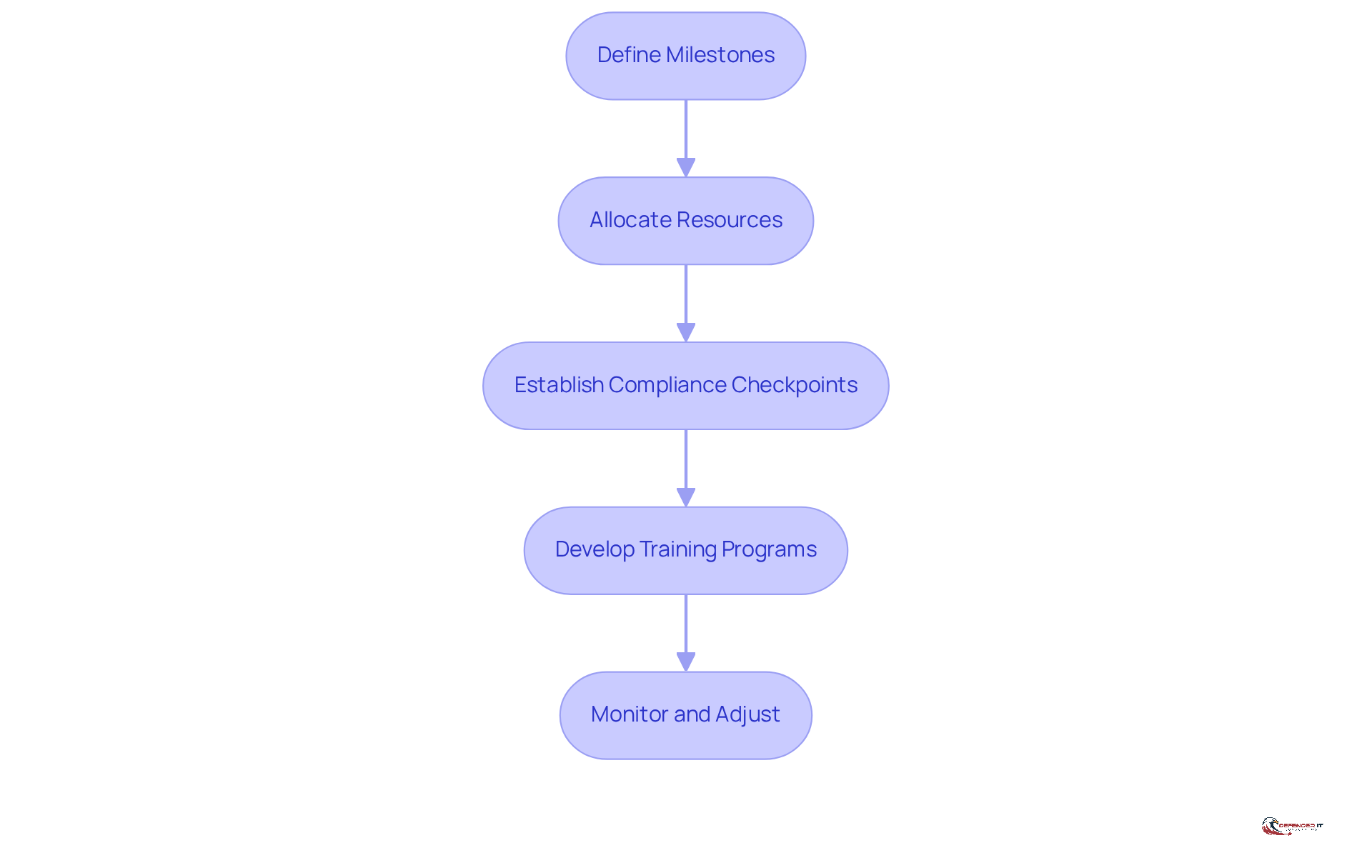
A comprehensive implementation strategy is crucial for navigating the complexities of digital transformation while ensuring compliance with evolving regulatory standards. Key components of this plan should include:
- Define Milestones: Segment the transformation journey into manageable phases, establishing specific milestones to effectively track progress and ensure accountability.
- Allocate Resources: Assess and allocate the necessary resources – budget, personnel, and technology – required for each phase of the implementation to optimize efficiency and effectiveness.
- Establish Compliance Checkpoints: Integrate compliance checkpoints throughout the implementation process. This guarantees adherence to regulatory requirements, which is increasingly critical as entities encounter heightened scrutiny and evolving regulations in 2026. As noted by Prime Secured, “In 2026, compliance is increasingly shaped by cross-border regulations, sector-specific frameworks, and digital-first governance strategies.”
- Develop Training Programs: Implement training initiatives designed to equip employees with the skills necessary to adapt to new technologies and processes, fostering a culture of compliance and innovation.
- Monitor and Adjust: Create a robust system for monitoring progress and making necessary adjustments to stay aligned with goals and address challenges proactively.
Without a clear digital transformation strategy consulting, organizations may struggle to navigate the complexities of digital transformation, risking compliance failures and operational inefficiencies. This failure not only jeopardizes compliance but also threatens the organization’s reputation and customer relationships. By adhering to a structured implementation strategy, companies can efficiently manage their technological advancement initiatives while ensuring compliance with relevant regulations, thereby enhancing operational maturity and accountability. Moreover, statistics show that a considerable portion of enterprises are incorporating compliance checkpoints into their technological advancement strategies, highlighting their significance in today’s regulatory landscape.
Foster a Culture of Digital Adoption and Continuous Learning
To thrive in an increasingly digital world, organizations must prioritize a culture that embraces technology and continuous learning. Strategies to achieve this include:
- Encourage Experimentation: Create an environment where staff feel secure to try new technologies and processes without fear of failure. As Jacqueline Brassey emphasizes, it’s important to foster an organizational culture where people feel safe to make mistakes, which is crucial for innovation and engagement.
- Provide Ongoing Training: Offer regular training sessions and workshops to assist staff in enhancing their technological skills and remaining informed about industry trends. Currently, 41% of organizations prioritize ongoing training for digital skills development. However, many employees struggle to allocate time for these courses, highlighting a common challenge in implementing continuous learning initiatives.
- Acknowledge and Reward Innovation: Implement recognition programs that reward individuals for innovative ideas and successful adoption of new technologies. This motivates individuals and reinforces a culture of continuous improvement.
- Encourage Knowledge Exchange: Cultivate an atmosphere of teamwork by motivating staff to share their insights and experiences with technological tools and procedures. Organizations that prioritize knowledge sharing are better positioned to adapt to changes and enhance overall performance.
- Request Input: Regularly collect feedback from employees regarding their experiences with electronic tools and processes to identify areas for enhancement and address concerns. By doing this, organizations not only enhance user experience but also boost engagement and commitment to their online initiatives.
By promoting a culture of technology adoption and ongoing learning, organizations can improve their resilience and adaptability in an ever-evolving technological landscape. Ultimately, organizations that invest in their employees’ learning and adaptability will be better equipped to navigate the challenges addressed in digital transformation strategy consulting.

Conclusion
Navigating the complexities of digital transformation presents significant challenges for organizations. A strategic approach that emphasizes readiness, stakeholder involvement, compliance, and a culture of continuous learning is essential. These elements are crucial for aligning transformation initiatives with business goals and fostering an innovative, resilient environment.
Key practices highlighted include:
- Conducting a thorough assessment of organizational readiness.
- Setting clear and measurable business goals that comply with regulatory requirements.
- Actively involving stakeholders from various departments.
These steps are vital in creating a comprehensive implementation plan that addresses compliance while promoting cross-functional collaboration. Additionally, fostering a culture that embraces digital adoption and continuous learning empowers employees to adapt to new technologies and processes, ultimately enhancing organizational agility.
In today’s landscape, digital transformation is essential. Organizations must prioritize these best practices to thrive competitively. Proactively assessing readiness, defining objectives, engaging stakeholders, and cultivating a learning culture positions businesses for sustainable growth and success. By embracing these strategies, organizations can not only mitigate risks but also position themselves as leaders in innovation and adaptability.
Frequently Asked Questions
Why is it important to assess current organizational readiness for digital transformation?
Assessing organizational readiness is crucial as it helps identify existing technologies, processes, and employee skills, which guide the transformation process and mitigate risks.
What is a Digital Maturity Evaluation?
A Digital Maturity Evaluation is an assessment using frameworks like the Digital Maturity Model to determine an organization’s technological capabilities and readiness for transformation.
Who should be involved in the assessment of organizational readiness?
Key stakeholders, including leadership and department heads, should be engaged to provide insights on current challenges and opportunities, ensuring a comprehensive assessment.
How should organizations evaluate their technological infrastructure?
Organizations should review their current IT systems and tools to determine if they can support new online initiatives, paying attention to integration requirements to avoid implementation challenges.
What is the significance of analyzing employee skills during the readiness assessment?
Analyzing employee skills helps gauge digital literacy and identify training needs, as many organizations may overestimate their workforce’s ability to adapt to change.
What are the characteristics of clear business goals for digital transformation?
Clear business goals should be specific, measurable, achievable, relevant, and time-bound (SMART) to ensure effective online transformation.
How do measurable goals impact digital transformation success?
Organizations with measurable goals are 1.4 times more likely to succeed in digital initiatives, and those with defined KPI targets double their chances of successful transformation.
Why is it important for business goals to align with regulatory requirements?
Aligning business goals with regulatory requirements minimizes compliance risks and enhances efficiency, particularly in highly regulated industries like finance and healthcare.
What role does establishing a timeline play in achieving business goals?
Establishing a timeline maintains momentum and accountability, with organizations that convey desired results before launching being 3.5 times more likely to achieve successful change.
How can strategic alignment of goals benefit an organization?
Strategic alignment fosters a culture of accountability and innovation, positioning organizations for sustainable growth and building stakeholder trust in a complex regulatory landscape.
List of Sources
- Assess Current Organizational Readiness for Digital Transformation
- deployflow.co (https://deployflow.co/blog/measure-improve-digital-maturity)
- Digital Transformation in 2026: Strategies, Benefits, & Real-World Examples | Splunk (https://splunk.com/en\_us/blog/learn/digital-transformation.html)
- State of Digital Transformation 2026: Enhancing Digital Strategy (https://teksystems.com/en/insights/state-of-digital-transformation-2026)
- tier2systems.com (https://tier2systems.com/en/blog/digital-transformation-readiness-guide)
- svitla.com (https://svitla.com/blog/digital-transformation-readiness-assessment)
- Define Clear Business Goals Aligned with Regulatory Requirements
- 2026 Regulatory Update: The Shift to Digital Compliance (https://linkedin.com/pulse/2026-regulatory-update-shift-digital-compliance-mxktf)
- community.trustcloud.ai (https://community.trustcloud.ai/docs/grc-launchpad/grc-101/governance/digital-transformation-in-governance-strategies-for-success-in-2025)
- trustcloud.ai (https://trustcloud.ai/grc/aligning-compliance-with-business-goals-a-strategic-approach)
- 105+ Digital Transformation Statistics in 2026 (https://mooncamp.com/blog/digital-transformation-statistics)
- cmitsolutions.com (https://cmitsolutions.com/dallas-tx-1036/blog/digital-transformation-in-2026-aligning-technology-with-business-goals)
- Involve Key Stakeholders Across Departments
- techstep.io (https://techstep.io/articles/cross-functional-organizations-and-digital-transformations)
- linkedin.com (https://linkedin.com/pulse/crucial-role-stakeholder-engagement-digital-ris-pmp-pba–mnluf)
- researchgate.net (https://researchgate.net/publication/389983956\_Stakeholders’\_Engagement\_in\_Digital\_Transformation\_Initiatives)
- thesciencebrigade.com (https://thesciencebrigade.com/jcir/article/view/473)
- flevy.com (https://flevy.com/topic/stakeholder-management/question/engaging-stakeholders-key-strategies-digital-transformation-success?srsltid=AfmBOoq\_46NRE3WE87d9LmBDdboVYDIq60ltcHEy9HPAwVX5i4WOkEUC)
- Develop a Step-by-Step Implementation Plan for Compliance
- avaap.com (https://avaap.com/blog-2026-digital-transformation-roadmap)
- IT Compliance in 2026: The Regulations You Can’t Afford to Ignore (https://primesecured.com/it-compliance-key-regulations-2026)
- neota.com (https://neota.com/redefining-governance-top-compliance-technology-trends-for-2026)
- linkedin.com (https://linkedin.com/pulse/what-happen-regtech-2026-why-innovation-exploding-compliance-u3fle)
- corporatecomplianceinsights.com (https://corporatecomplianceinsights.com/compliance-needs-digital-transformation)
- Foster a Culture of Digital Adoption and Continuous Learning
- qstream.com (https://qstream.com/blog/how-continuous-learning-supports-digital-transformation-strategies)
- Digital Transformation Statistics and Facts (https://market.us/statistics/information-and-communication/digital-transformation)
- nutanix.com (https://nutanix.com/theforecastbynutanix/business/continuous-learning-during-digital-transformation)
- 105+ Digital Transformation Statistics in 2026 (https://mooncamp.com/blog/digital-transformation-statistics)
- 40+ Digital Transformation Statistics You Need to Know in 2026 (https://cflowapps.com/digital-transformation-statistics)