Cyber Insurance
Cybercrime Statistics 2023: Essential Checklist for Security Leaders
Published March 25, 2026
Introduction
In 2023, the staggering financial toll of cybercrime is projected to reach an unprecedented $8 trillion, compelling organizations to reassess their cybersecurity strategies. This figure underscores a projected annual increase of 15%, highlighting the urgent need for robust protective measures. Recent statistics reveal a concerning rise in various forms of cyber threats, further emphasizing this urgency.
As security leaders navigate this evolving landscape, a pressing question emerges: how can organizations effectively safeguard themselves against the relentless tide of cybercrime while adapting to emerging vulnerabilities and threats?
Review Cybercrime Statistics for 2023
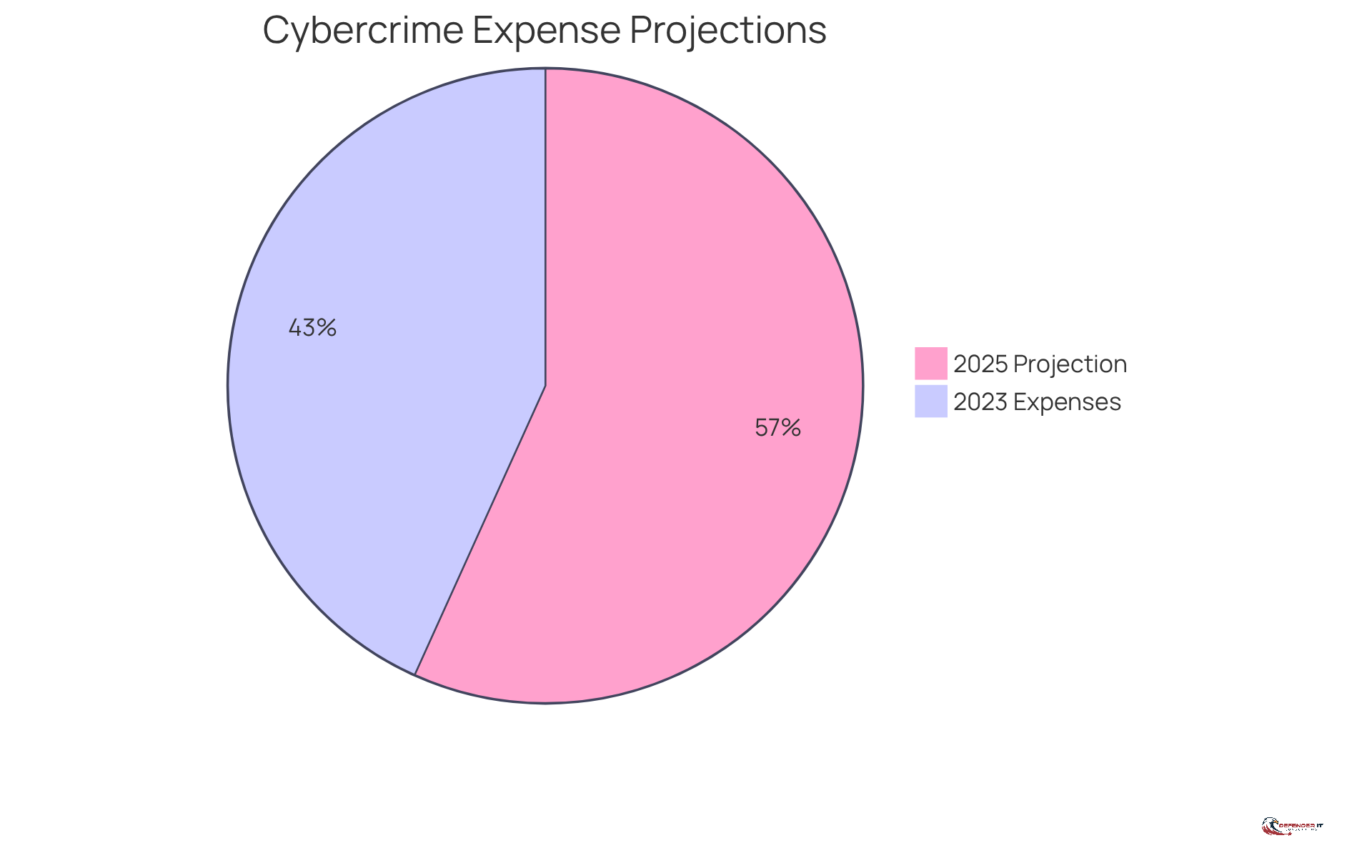
The anticipated expenses of cybercrime for the upcoming year are projected to reach a staggering $8 trillion, underscoring the urgent need for organizations to bolster their security measures. Reports from the FBI and Cybersecurity Ventures provide critical insights into the escalating threat landscape, as highlighted by the recent statistics.
Cybercrime costs are potentially reaching $10.5 trillion by 2025, according to Cybersecurity Ventures. This projection highlights the significance of implementing robust security strategies. The 2024 Official Cybercrime Report indicates that the report reveals over 859,532 complaints of suspected internet crime last year, with incidents marking a 33% increase from the previous year.
Cybercrime incidents, particularly in sectors such as finance and healthcare, necessitate the enhancement of security protocols to effectively mitigate risks. As Steve Morgan, Editor-in-Chief at Cybersecurity Ventures, noted, “Cybercrime is anticipated to cost the globe $8 trillion this year,” emphasizing the critical need for action.
Identify Common Types of Cybercrime
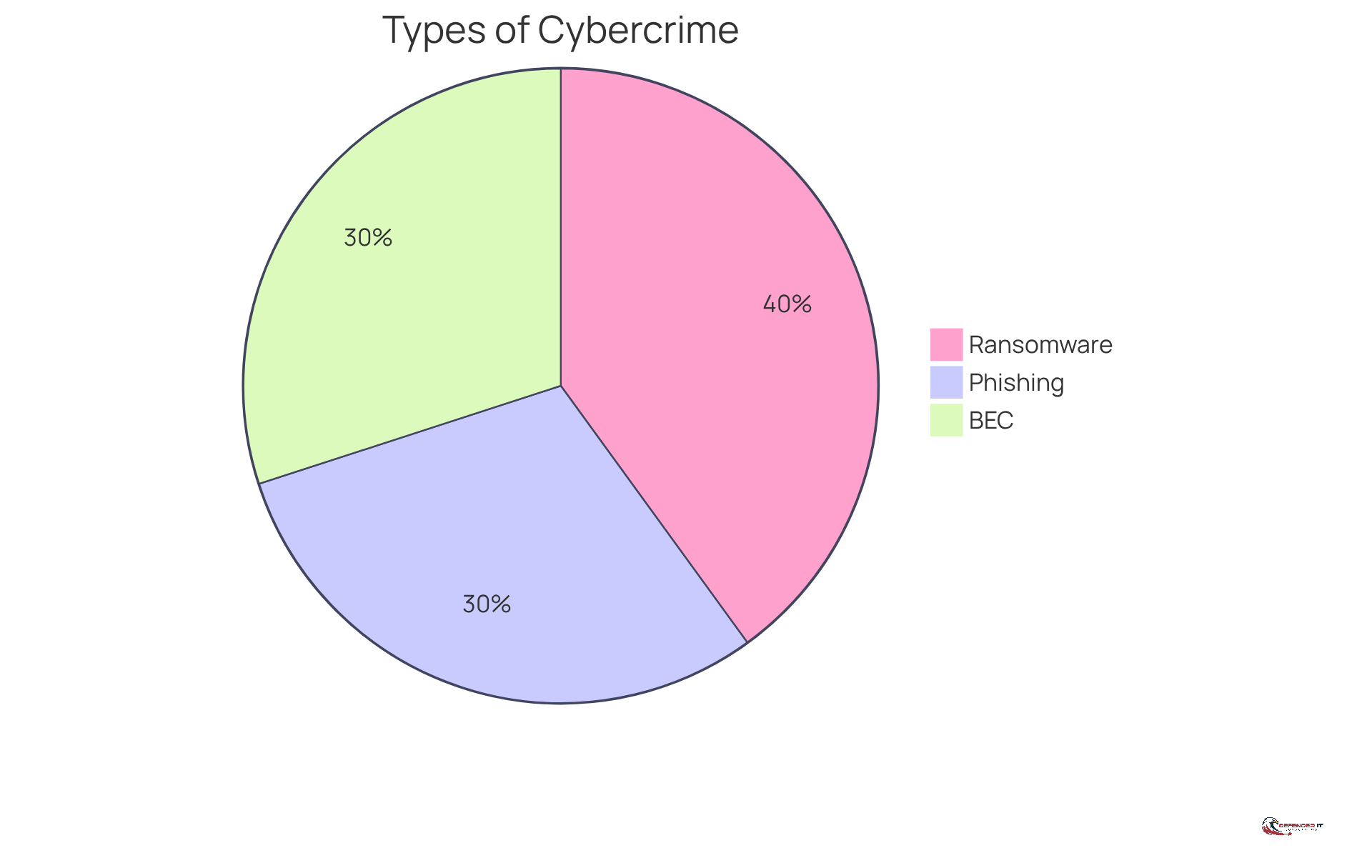
According to the report, the most prevalent types of cybercrime reported are:
- Phishing
- Ransomware
According to the FBI, with 298,878 reports submitted, underscoring their widespread occurrence and the critical need for prevention.
According to the report, in adjusted damages, exceeding $59.6 million. The healthcare sector was notably impacted, with nearly 1,200 complaints from critical infrastructure organizations, highlighting the urgent requirement for security improvements.
Business email compromise scams resulted in damages totaling $2.9 billion, which emphasizes the vital importance of email protection and comprehensive employee education to mitigate risks, as reflected in the statistics. Importantly, BEC losses have not surpassed $4 billion annually due to the adoption of next-generation technology.
Cybercriminals are increasingly utilizing social engineering tactics, often impersonating trusted figures to gain the trust of their victims. This trend underscores the necessity for organizations to implement stringent protection protocols and foster a culture of awareness among employees.
Significant case studies from 2023, as highlighted in the report, include:
- The FBI’s successfully freezing $538.39 million in stolen assets following fraud complaints.
- A notable case involving a $50 million BEC scam targeting a construction project in New York.
This incident illustrates the substantial financial repercussions of cybercrime and the effectiveness of coordinated recovery efforts.
As cyber threats continue to evolve, it is imperative for security teams to remain informed about the latest tactics and trends in cybercrime. Ongoing education and proactive measures are essential to protect organizations against these persistent threats.
Evaluate Financial Impact of Cybercrime
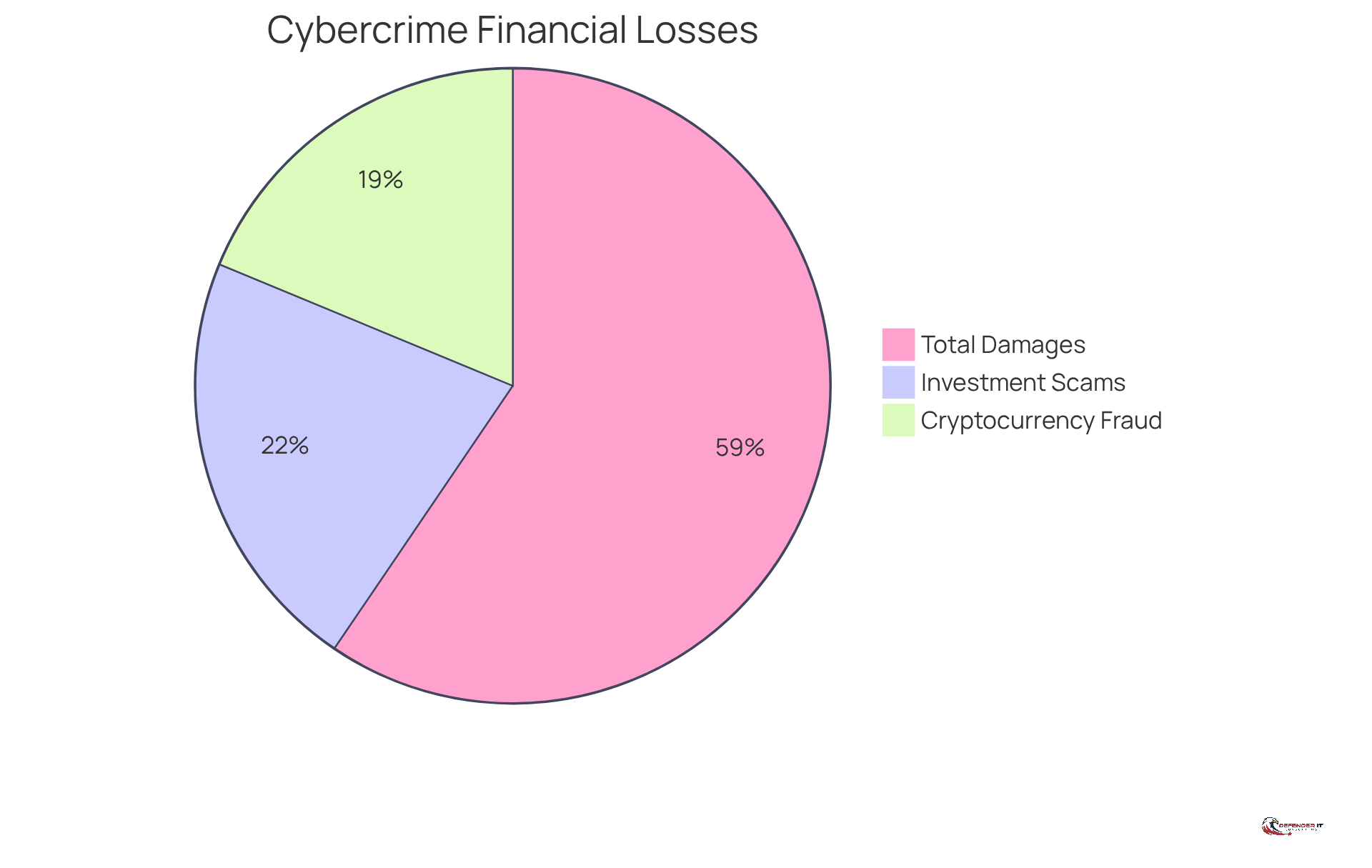
The financial impact of cybercrime has risen to approximately $4.45 million this year, highlighting an increasing financial strain on organizations. According to recent reports, losses reached an astonishing $12.5 billion, reflecting a 22% increase from the previous year. This record figure underscores the urgency of addressing cyber threats.
The long-term consequences extend beyond immediate setbacks. They include reputational harm and potential regulatory penalties, both of which can significantly impact an organization’s bottom line.
Case studies further illustrate the financial fallout from specific cyber incidents. For example:
- Investment scams accounted for the largest share of internet crime losses, totaling $4.57 billion.
- This figure was primarily driven by cryptocurrency-related fraud, which represents a 38% increase from 2022.
Such examples emphasize the critical importance of preparedness against cyber threats.
Developing a comprehensive risk assessment is essential for evaluating potential financial impacts on your organization. This framework should consider various factors, including the likelihood of cyber incidents and the associated costs of breaches, to inform strategic decision-making.
Assess Organizational Vulnerabilities and Security Measures
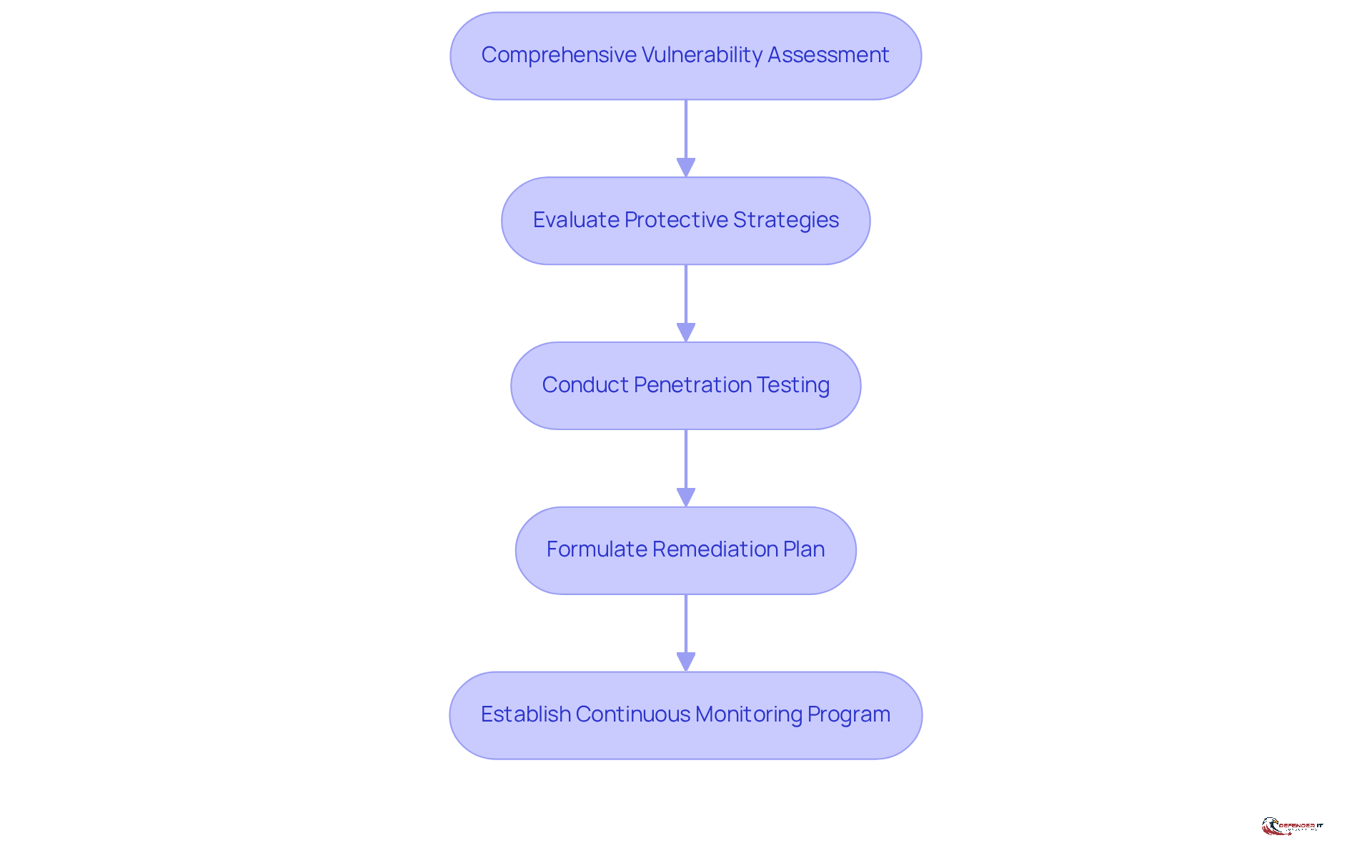
- Begin with a comprehensive assessment to pinpoint weaknesses within your IT infrastructure.
- Review security tools, which encompass firewalls, intrusion detection systems, and antivirus software.
- Conduct penetration tests to simulate attacks, thereby assessing the effectiveness of current defenses.
- Formulate a strategy to address identified vulnerabilities, prioritizing actions based on risk and potential impact.
- Establish a protocol to regularly assess and update security measures in response to emerging threats.
Conclusion
The escalating costs and complexities of cybercrime in 2023 present a pressing challenge for organizations worldwide. With projected expenses reaching $8 trillion, the urgency for enhanced cybersecurity measures has never been clearer. Understanding the various types of cybercrime, from phishing to ransomware, is crucial for security leaders aiming to protect their organizations against these pervasive threats.
Key insights reveal the alarming rise in cybercrime incidents and their financial implications. Statistics indicate a 15% annual increase in cybercrime expenses, with significant losses reported in sectors like finance and healthcare. Moreover, the necessity for continuous monitoring and proactive strategies is underscored by the prevalence of sophisticated tactics employed by cybercriminals. Organizations must prioritize comprehensive vulnerability assessments and robust protective measures to mitigate risks effectively.
In light of these findings, it is imperative for security leaders to take immediate action. By fostering a culture of awareness, investing in employee training, and implementing advanced security protocols, organizations can significantly reduce their vulnerability to cyber threats. Strengthening cybersecurity not only protects assets but also preserves reputation and trust in an increasingly digital landscape.
Frequently Asked Questions
What are the projected expenses of cybercrime for 2023?
The projected expenses of cybercrime for 2023 are anticipated to reach $8 trillion.
How much are cybercrime expenses expected to increase annually?
Cybercrime expenses are expected to rise by 15% annually.
What is the projected cost of cybercrime by 2025?
By 2025, cybercrime expenses could potentially reach $10.5 trillion.
How many complaints of suspected internet crime were reported in 2022?
In 2022, there were over 859,532 complaints of suspected internet crime.
What were the reported losses from cybercrime in 2022?
The reported losses from cybercrime in 2022 exceeded $16 billion, marking a 33% increase from the previous year.
Which sectors are particularly vulnerable to emerging cyber threats?
The finance and healthcare sectors are particularly vulnerable to emerging cyber threats.
What does Steve Morgan, Editor-in-Chief at Cybersecurity Ventures, emphasize about cybercrime?
Steve Morgan emphasizes the critical necessity for enhanced cybersecurity actions, stating that cybercrime is anticipated to cost the globe $8 trillion this year.
List of Sources
- Review Cybercrime Statistics for 2023
- FBI’s IC3 Report: Annual Cybercrime Statistics | Proofpoint US (https://proofpoint.com/us/blog/email-and-cloud-threats/fbis-ic3-report-losses-cybercrime-surpass-125-billion-new-record)
- 2023 FBI Internet Crime Report reported cybercrime losses reached $12.5 billion in 2023 (https://securityaffairs.com/160142/cyber-crime/2023-fbi-internet-crime-report.html)
- FBI Reports Cybercrime Losses Hit $12.5B, Record Number of Complaints Filed in 2023 (https://alta.org/blog/post/fbi-reports-record-number-of-cybercrime-losses-complaints-filed-in-2023)
- FBI Releases Annual Internet Crime Report | Federal Bureau of Investigation (https://fbi.gov/news/press-releases/fbi-releases-annual-internet-crime-report)
- Cybercrime To Cost The World 8 Trillion Annually In 2023 (https://cybersecurityventures.com/cybercrime-to-cost-the-world-8-trillion-annually-in-2023)
- Identify Common Types of Cybercrime
- A Breakdown of the 2023 FBI Cybercrime Report – The National CIO Review (https://nationalcioreview.com/articles-insights/information-security/a-breakdown-of-the-2023-fbi-cybercrime-report)
- Key Takeaways from the 2023 FBI IC3 Report: Business Email Compromise… (https://abnormal.ai/blog/2023-fbi-ic3-report-takeaways)
- 5 Key Take-Aways from the FBI’s 2023 Internet Crime Report (https://inky.com/en/blog/5-key-take-aways-from-the-fbis-2023-internet-crime-report)
- Five Key Findings From The 2023 FBI Internet Crime Report | Coro Cybersecurity (https://coro.net/blog/five-key-findings-from-the-2023-fbi-internet-crime-report)
- Evaluate Financial Impact of Cybercrime
- Average Data Breach Cost Hits All-time High of $4.4M | INSURICA (https://insurica.com/blog/average-data-breach-cost-hits-all-time-high-of-4-4m)
- FBI Reports Cybercrime Losses Hit $12.5B, Record Number of Complaints Filed in 2023 (https://alta.org/blog/post/fbi-reports-record-number-of-cybercrime-losses-complaints-filed-in-2023)
- A Record $12.5 Billion Lost to Internet Crime in 2023 (https://cnet.com/tech/services-and-software/a-record-12-5-billion-lost-to-internet-crime-in-2023)
- IBM Report: Half of Breached Organizations Unwilling to Increase Security Spend Despite Soaring Breach Costs (https://newsroom.ibm.com/2023-07-24-IBM-Report-Half-of-Breached-Organizations-Unwilling-to-Increase-Security-Spend-Despite-Soaring-Breach-Costs)
- Assess Organizational Vulnerabilities and Security Measures
- Exploited but Not Forgotten: Takeaways from CISA’s 2023 Vulnerability Report – The National CIO Review (https://nationalcioreview.com/?p=53583)
- CISA Reveals the Top 15 Most Exploited Vulnerabilities of 2023 (https://picussecurity.com/resource/blog/cisa-reveals-the-top-15-most-exploited-vulnerabilities-of-2023)
- 2023 Top Routinely Exploited Vulnerabilities | CISA (https://cisa.gov/news-events/cybersecurity-advisories/aa24-317a)
- How to Identify Security Gaps in Your Company (https://riverjournalonline.com/business/how-to-identify-security-gaps-in-your-company/291083)
- US critical infrastructure sector faces cyber threats surge in 2023, calls for urgent action, enhanced measures – Industrial Cyber (https://industrialcyber.co/features/us-critical-infrastructure-sector-faces-cyber-threats-surge-in-2023-calls-for-urgent-action-enhanced-measures)