General
Master Continuous Compliance Monitoring in 7 Actionable Steps
Published May 19, 2026
Introduction
Organizations face mounting challenges as regulatory requirements evolve at an unprecedented pace, creating a pressing need for effective compliance strategies. Continuous compliance monitoring emerges as a vital strategy, offering a proactive approach that not only identifies regulatory gaps in real-time but also fosters a culture of accountability and transparency.
What steps can companies take to implement this dynamic process effectively, mitigating risks while enhancing operational efficiency? This guide explores seven actionable steps that will empower organizations to master continuous compliance monitoring and navigate the complexities of regulatory landscapes with confidence.
Mastering continuous compliance monitoring is not just a regulatory necessity; it is a strategic imperative that can safeguard an organization’s future in a complex regulatory environment.
Define Continuous Compliance Monitoring and Its Importance
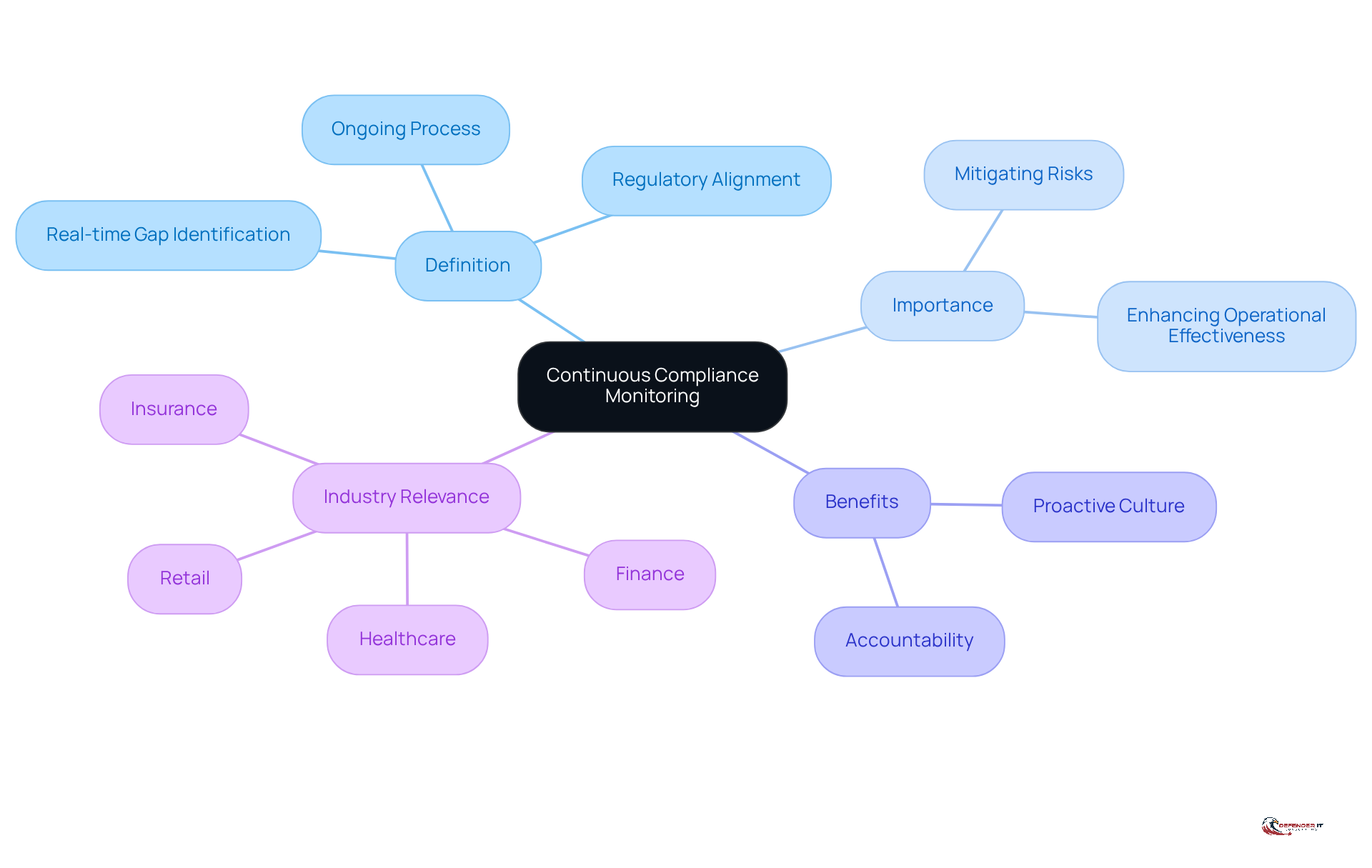
In an era of increasing regulatory scrutiny, companies must prioritize continuous compliance monitoring to safeguard against compliance risks. Continuous compliance monitoring refers to the ongoing process of systematically tracking and assessing a company’s alignment with regulatory requirements and internal policies. This proactive approach facilitates continuous compliance monitoring, enabling organizations to identify regulatory gaps in real-time and significantly reducing the risks associated with non-compliance, including legal penalties and reputational damage.
The significance of ongoing adherence evaluation lies in its capacity to provide entities with a dynamic perspective of their adherence status through continuous compliance monitoring. In contrast to conventional adherence techniques, which often rely on periodic audits, continuous compliance monitoring allows for the prompt identification of regulatory issues, facilitating rapid corrective measures. This is particularly vital in industries like finance and healthcare, where continuous compliance monitoring is essential due to stringent and constantly evolving regulatory requirements.
By adopting continuous compliance monitoring, companies can not only mitigate risks but also enhance their overall operational effectiveness, fostering a culture of accountability and transparency within their teams. Ultimately, the shift towards continuous compliance monitoring can redefine how organizations approach compliance, fostering a proactive culture that prioritizes accountability and transparency.
Establish Compliance Objectives and Scope
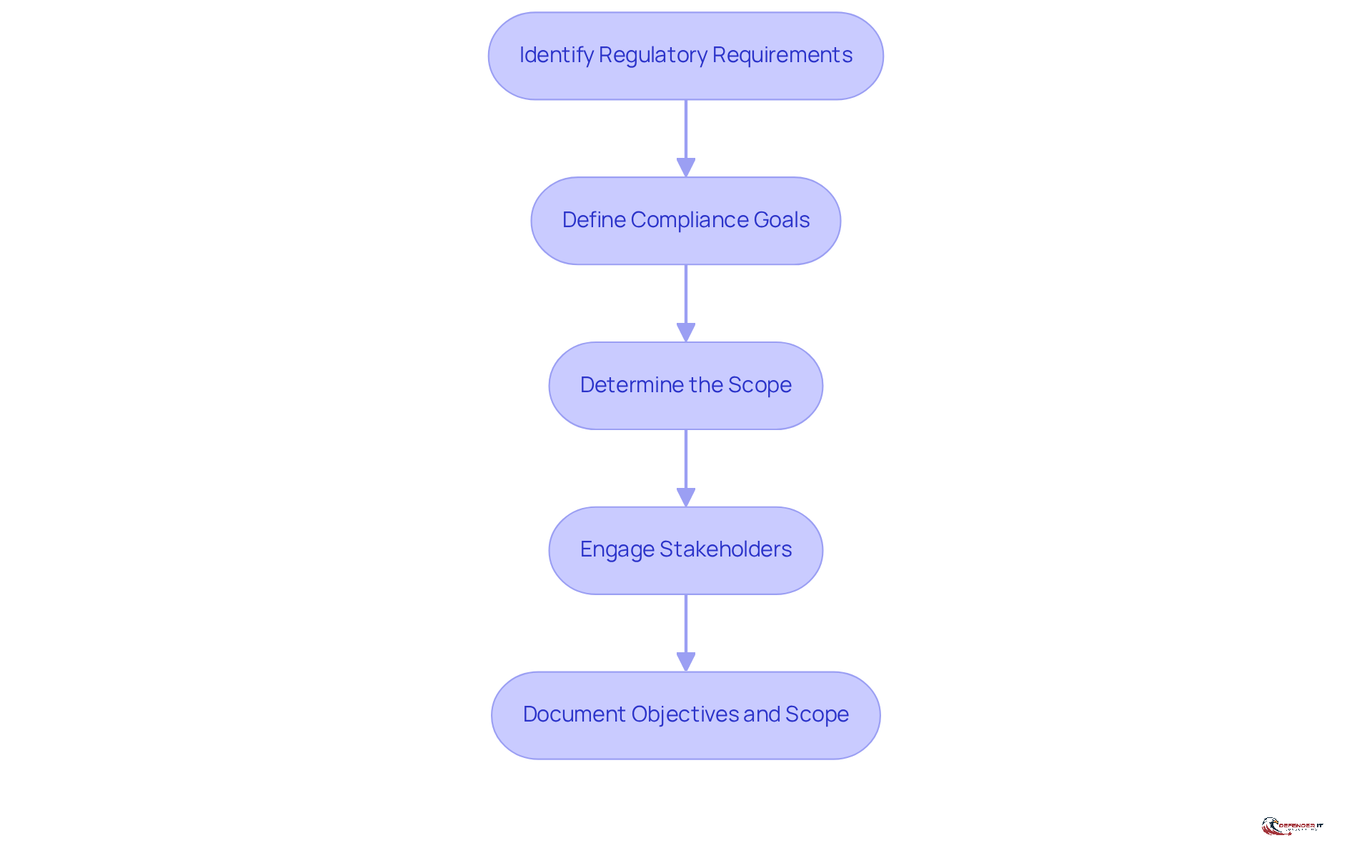
Navigating the complex landscape of regulatory compliance can be daunting for organizations, yet establishing clear objectives is essential for success. To establish compliance objectives and scope, organizations should follow these steps:
- Identify Regulatory Requirements: Begin by researching the specific regulations that apply to your industry. This may include local, national, and international laws.
- Define Compliance Goals: Set clear, measurable goals that align with the identified regulations. For example, if your organization must comply with GDPR, a goal could be to ensure all personal data is processed lawfully.
- Determine the Scope: Clearly outline which departments, processes, and systems will be included in the adherence monitoring efforts. This allows organizations to allocate their resources more efficiently.
- Engage Stakeholders: Involve key stakeholders from different departments to ensure that the regulatory objectives are comprehensive and take into account all relevant perspectives.
- Document Objectives and Scope: Create a formal document that outlines the regulatory objectives and scope. This acts as a reference point for all regulatory activities moving forward.
Without a well-defined compliance strategy, organizations risk facing significant regulatory repercussions that could hinder their operations.
Identify Key Controls and Metrics for Monitoring
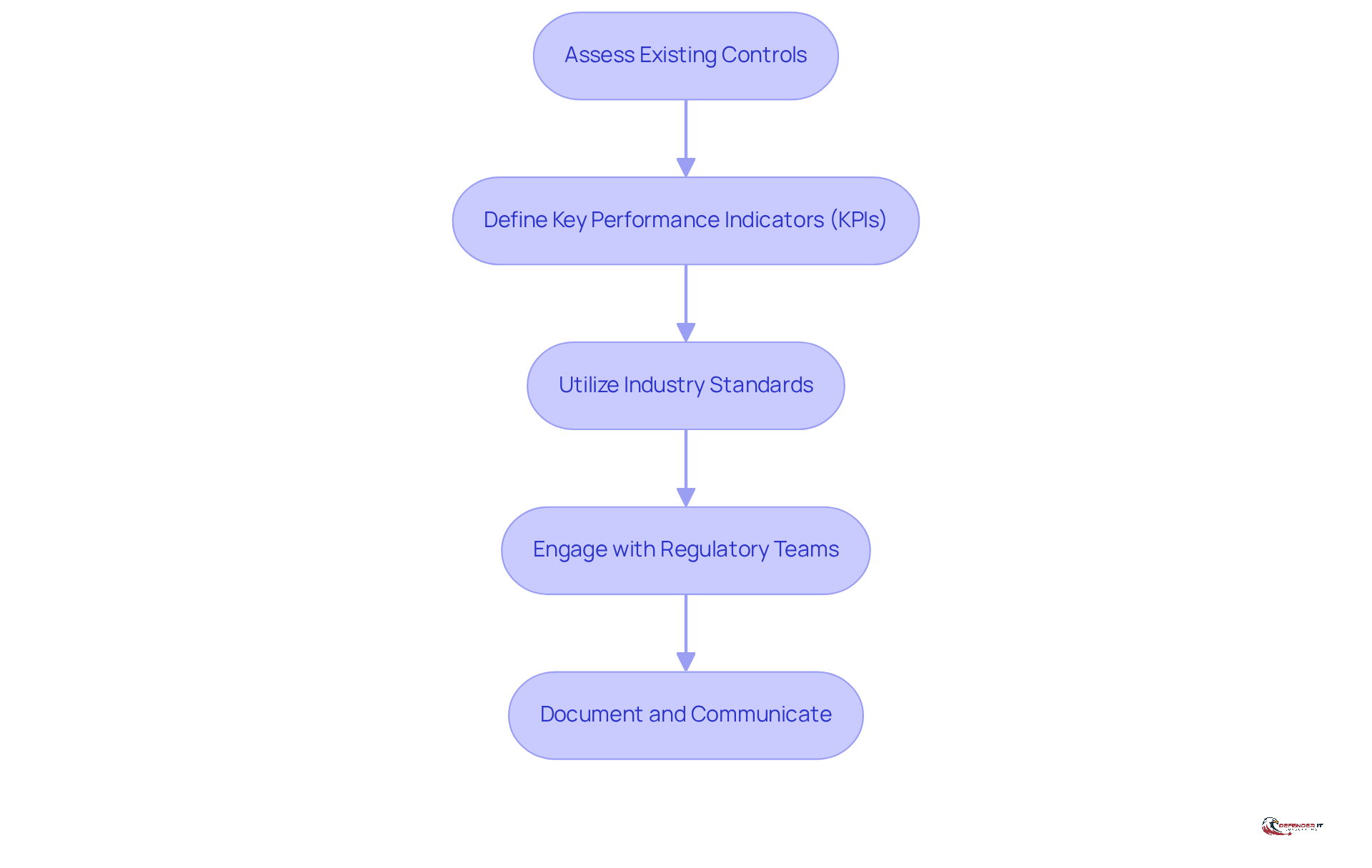
Many organizations face challenges in navigating complex regulatory landscapes, which can lead to compliance failures. Recognizing important controls and metrics is crucial for effective oversight. Here’s how to do it:
- Assess Existing Controls: Review current controls to determine their effectiveness in meeting regulatory requirements. This includes evaluating access controls, data encryption, and audit trails to ensure they align with regulatory standards.
- Define Key Performance Indicators (KPIs): Establish KPIs to assess adherence effectiveness. Relevant examples include tracking the number of adherence incidents reported, the average time taken to resolve regulatory issues, and the percentage of employees trained on policy guidelines. In 2026, critical KPIs to monitor include Mean Time to Detect (MTTD) and Mean Time to Respond (MTTR), which are vital for assessing incident management efficiency.
- Utilize Industry Standards: Refer to established industry standards and best practices to identify necessary controls. Frameworks like ISO 27001 and NIST offer important guidance for improving adherence measures and ensuring alignment with current regulations.
- Engage with Regulatory Teams: Collaborate with regulatory and risk management teams to ensure that the identified controls and metrics align with organizational goals and regulatory expectations. This collaboration promotes a thorough understanding of regulatory requirements across departments.
- Document and Communicate: Clearly document the identified controls and metrics, and communicate them to all relevant stakeholders. This ensures that everyone understands their responsibilities in upholding regulations and can contribute effectively to the entity’s regulatory initiatives. Monitoring metrics is crucial for maintaining adherence to regulations like HIPAA, PCI DSS, and GDPR, as recording a cybersecurity program can assist entities in evading fines, lawsuits, and additional penalties.
Without a robust framework for oversight, organizations may find themselves vulnerable to costly penalties and reputational harm.
Select Appropriate Technologies and Tools
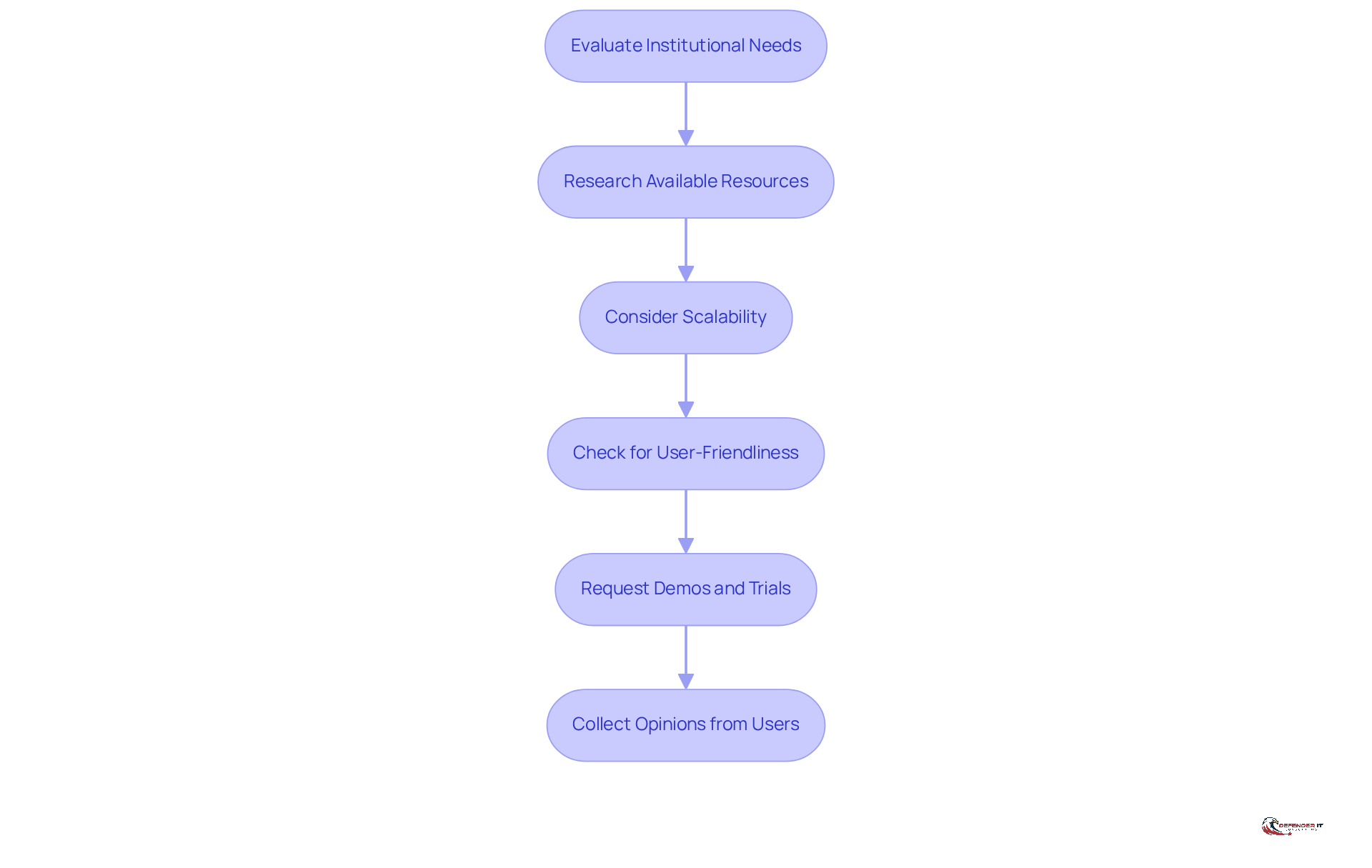
Selecting appropriate technologies for continuous compliance monitoring is critical for regulatory success. Here are several key steps to consider:
- Evaluate Institutional Needs: Assess the specific regulatory requirements and challenges your entity faces. This evaluation will help determine the features required in a regulatory solution, ensuring continuous compliance monitoring in alignment with legal obligations. Notably, 80% of regulatory professionals indicate that insufficient resources or staffing affect their performance, underscoring the importance of understanding your organization’s needs.
- Research Available Resources: Investigate various compliance monitoring solutions available in the market. Look for features such as automated reporting, real-time alerts, and integration capabilities with existing systems. While numerous resources provide comprehensive automation and robust reporting features, it is essential to assess them in the context of continuous compliance monitoring according to your specific requirements.
- Consider Scalability: Select resources that can expand alongside your organization’s growth. As regulatory requirements change, the resources should adjust accordingly. Statistics indicate that a significant number of enterprises have shifted compliance systems to the cloud, highlighting the importance of selecting scalable solutions.
- Check for User-Friendliness: Ensure that the chosen resources are user-friendly and can be easily adopted by your team. A complex interface can lead to user frustration and hinder effective implementation, so prioritize platforms that offer intuitive interfaces and straightforward workflows.
- Request Demos and Trials: Before reaching a final decision, request demonstrations or trial versions of the resources to assess their effectiveness in practical situations. Interacting with vendors can provide insights into how their solutions handle regulatory requirements effectively.
- Collect Opinions from Users: Engage end-users in the selection process to obtain insights on their experiences and preferences concerning regulatory resources. This feedback is essential, as it can guide your decision-making process and ensure that the chosen resources meet the needs of your team.
By thoughtfully choosing suitable technologies and tools, organizations can improve their regulatory oversight. Choosing the wrong tools can lead to wasted resources and decreased compliance effectiveness.
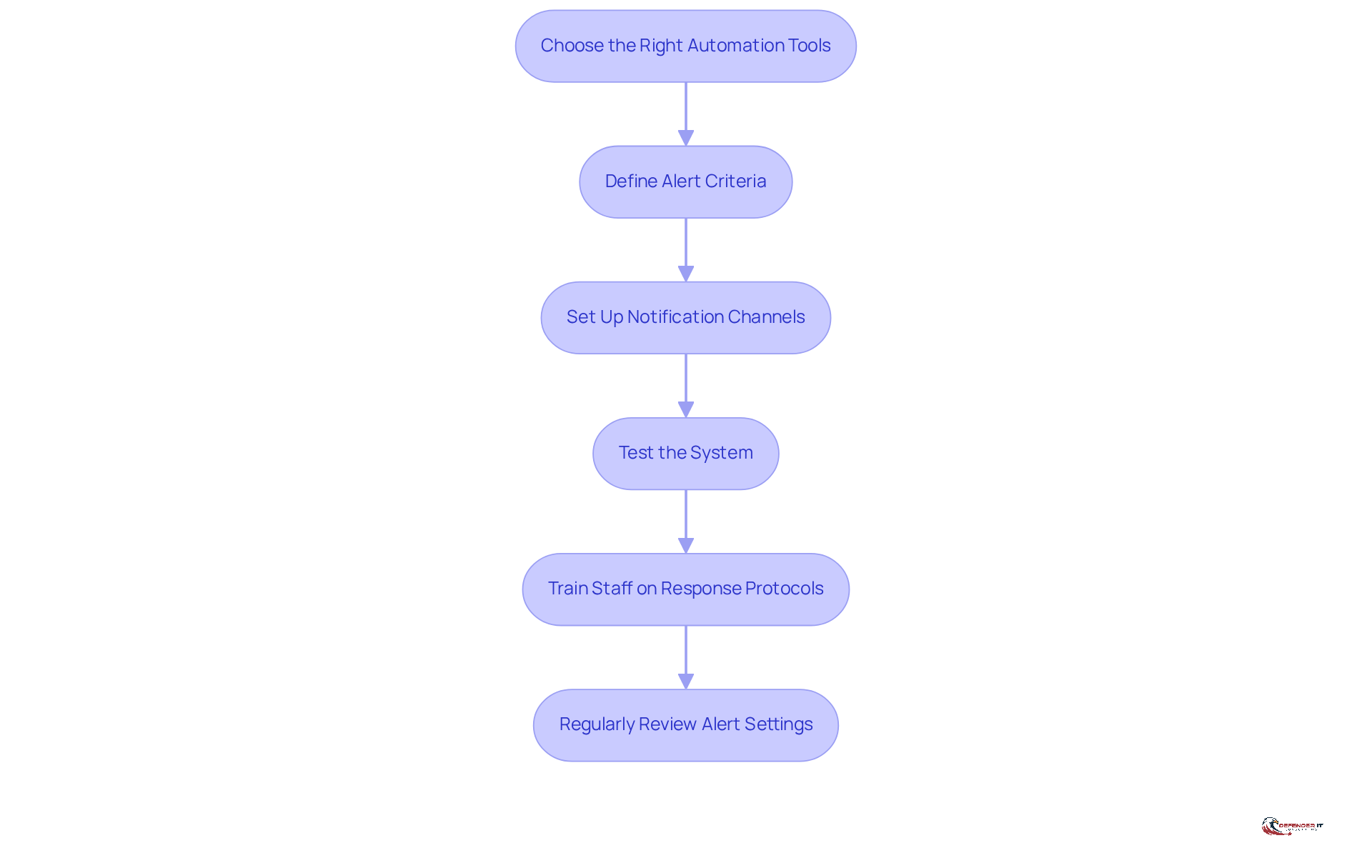
Implement Automated Monitoring and Alerting Systems
Organizations face significant challenges in regulatory compliance, often struggling with the inefficiencies of manual tracking methods. Establishing automated oversight and alerting systems can significantly improve continuous compliance monitoring efforts.
- Choose the Right Automation Tools: The implementation of automated systems significantly enhances the speed of identifying adherence violations, with entities reporting a nearly 70% improvement over manual methods, according to the 2023 Global Risk Benchmarking Survey. Select tools that provide essential automation features, including real-time monitoring, alert generation, and comprehensive reporting capabilities.
- Define Alert Criteria: Establish clear criteria for what constitutes a regulatory breach or issue. This may encompass unauthorized access attempts, data breaches, or failures to meet regulatory deadlines, ensuring that alerts are relevant and actionable.
- Set Up Notification Channels: Configure the system to send alerts through various channels, such as email, SMS, or internal messaging platforms. This guarantees that the appropriate stakeholders are informed quickly, enabling rapid responses to possible regulatory issues.
- Test the System: Conduct thorough testing of the automated monitoring and alerting systems to verify their functionality and accuracy in providing notifications. Regular testing helps maintain system integrity and reliability.
- Train Staff on Response Protocols: Educate staff on how to effectively respond to alerts. This training should cover the escalation process and the necessary steps to take when a regulatory issue is detected, ensuring a coordinated response.
- Regularly Review Alert Settings: Periodically examine and modify alert settings to maintain their relevance and effectiveness as regulatory requirements evolve. Ongoing evaluation enables companies to remain prepared for audits and adjust to evolving regulatory environments.
As regulatory landscapes continue to evolve, organizations that leverage automation will not only enhance compliance through continuous compliance monitoring but also secure a competitive edge in their industry.
Integrate Monitoring with Incident Response and Remediation
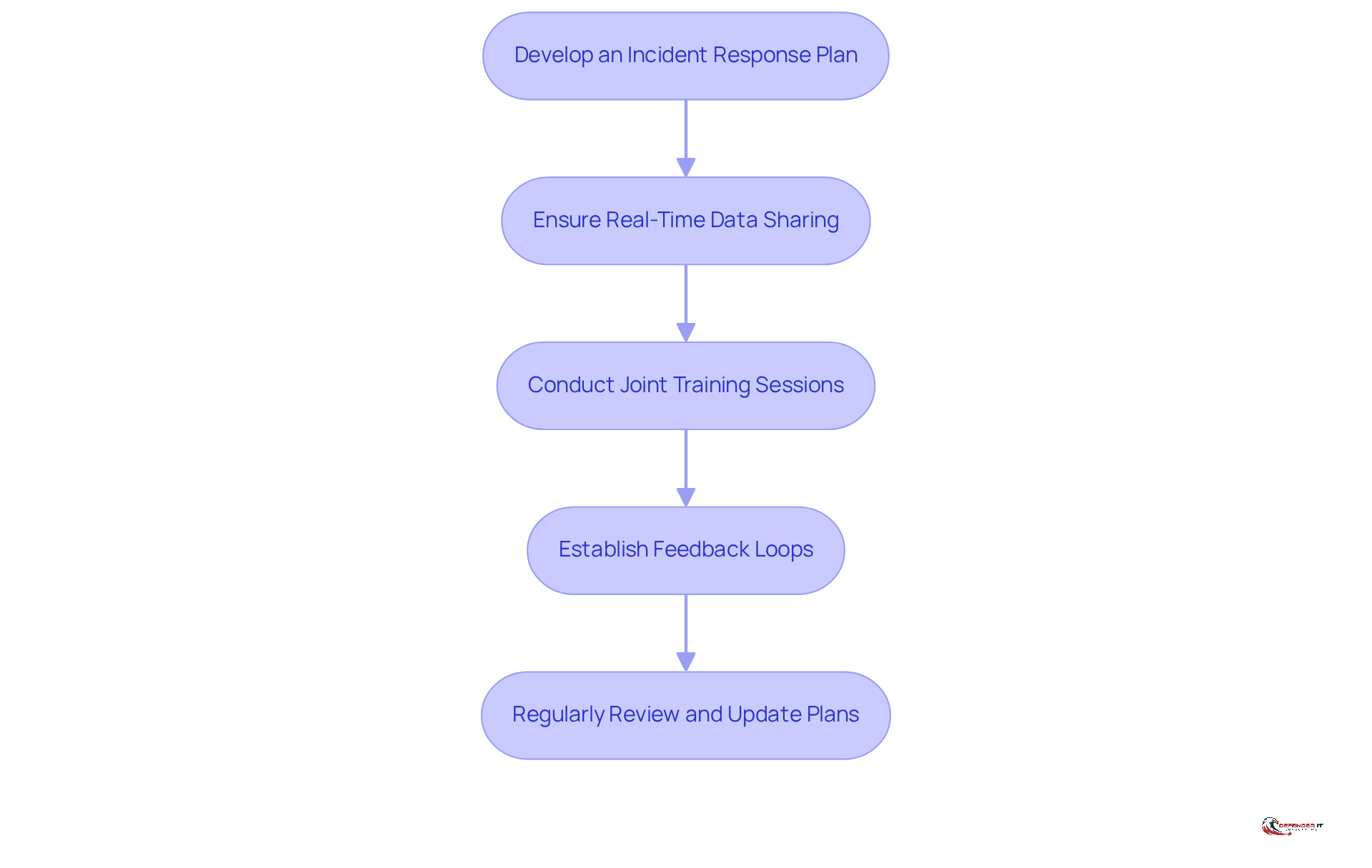
Integrating adherence oversight with incident response and remediation processes is essential for effective regulatory management. Here’s how to achieve this integration:
- Develop an Incident Response Plan: Create a thorough incident response plan that details the actions to take when a regulatory issue is detected. This should include roles, responsibilities, and communication protocols.
- Ensure Real-Time Data Sharing: Implement systems that enable immediate sharing of regulatory oversight data with incident response teams. This ensures that they have the necessary information to act quickly.
- Conduct Joint Training Sessions: Arrange training sessions that include both regulatory oversight and incident response teams. This encourages teamwork and ensures that all team members understand their responsibilities in the event of a regulatory breach.
- Establish Feedback Loops: Create mechanisms for feedback between observation and incident response teams. This allows for continuous improvement of both processes based on lessons learned from past incidents.
- Regularly Review and Update Plans: Periodically review and update the incident response plan to reflect changes in regulatory requirements and organizational structure.
By combining oversight with incident response and remediation, this proactive approach not only mitigates risks but also strengthens the organization’s overall compliance framework.
Regularly Review and Refine Your Compliance Monitoring Program
Without continuous compliance monitoring, your oversight program may become ineffective, resulting in compliance risks. Consider the following strategies:
- Conduct Periodic Audits: Schedule regular assessments of your monitoring program to evaluate its effectiveness and identify areas for enhancement.
- Gather Feedback from Stakeholders: Solicit input from employees, regulatory teams, and management to understand their experiences and suggestions for enhancing the program.
- Stay Informed on Regulatory Changes: Keep abreast of changes in regulations that may affect your adherence requirements. This may involve subscribing to industry newsletters or joining professional organizations.
- Analyze Adherence Metrics: Regularly review the adherence metrics you have established to evaluate the program’s performance. Look for trends and areas where adherence may be insufficient.
- Implement Continuous Improvement Practices: Cultivate a culture of ongoing enhancement by motivating teams to suggest modifications and innovations to the oversight process.
- Document Changes and Updates: Keep thorough records of any alterations made to the oversight program, including the rationale behind them, to ensure transparency and accountability.
Failing to adapt your continuous compliance monitoring program could expose your organization to significant regulatory risks.

Conclusion
Organizations today grapple with the complexities of regulatory compliance, making continuous monitoring essential. This proactive approach helps identify compliance gaps in real-time. It also fosters a culture of accountability and transparency within teams. By prioritizing continuous compliance, companies can effectively mitigate risks like legal penalties and reputational damage.
Throughout the article, several actionable steps have been outlined to effectively implement continuous compliance monitoring, including:
- Defining compliance objectives and scope
- Identifying key controls and metrics
- Selecting appropriate technologies
- Integrating monitoring systems with incident response protocols
Furthermore, the importance of automating monitoring processes and regularly reviewing compliance programs has been emphasized to ensure ongoing effectiveness and adaptability to changing regulatory requirements.
In conclusion, organizations must recognize that continuous compliance monitoring is not merely a regulatory obligation but a strategic advantage. Ultimately, the choice to prioritize compliance monitoring can define an organization’s resilience in a volatile regulatory environment.
Frequently Asked Questions
What is continuous compliance monitoring?
Continuous compliance monitoring is the ongoing process of systematically tracking and assessing a company’s alignment with regulatory requirements and internal policies to identify regulatory gaps in real-time.
Why is continuous compliance monitoring important?
It is important because it helps organizations reduce the risks associated with non-compliance, such as legal penalties and reputational damage, and enhances overall operational effectiveness by fostering a culture of accountability and transparency.
How does continuous compliance monitoring differ from traditional compliance methods?
Unlike traditional compliance methods that rely on periodic audits, continuous compliance monitoring allows for the prompt identification of regulatory issues, enabling rapid corrective measures.
In which industries is continuous compliance monitoring particularly vital?
Continuous compliance monitoring is particularly vital in industries such as finance and healthcare, where regulatory requirements are stringent and constantly evolving.
What are the steps to establish compliance objectives and scope?
The steps include: 1. Identify Regulatory Requirements: Research the specific regulations applicable to your industry. 2. Define Compliance Goals: Set clear, measurable goals that align with identified regulations. 3. Determine the Scope: Outline which departments, processes, and systems will be included in adherence monitoring. 4. Engage Stakeholders: Involve key stakeholders from different departments to ensure comprehensive regulatory objectives. 5. Document Objectives and Scope: Create a formal document outlining the regulatory objectives and scope for future reference.
What are the consequences of not having a well-defined compliance strategy?
Organizations without a well-defined compliance strategy risk facing significant regulatory repercussions that could hinder their operations.
List of Sources
- Define Continuous Compliance Monitoring and Its Importance
- thehackernews.com (https://thehackernews.com/2025/03/why-continuous-compliance-monitoring-is.html)
- sirion.ai (https://sirion.ai/library/contract-insights/continuous-compliance-vs-periodic-audits-roi)
- Continuous Compliance Monitoring: A Guide | FireMon (https://firemon.com/blog/continuous-compliance-monitoring)
- atlassystems.com (https://atlassystems.com/blog/continuous-compliance-monitoring)
- Continuous Compliance: Today’s Ultimate Guide | Splunk (https://splunk.com/en\_us/blog/learn/continuous-compliance.html)
- Establish Compliance Objectives and Scope
- Align Compliance with Business Goals Guide for 2026 (https://trustcloud.ai/grc/aligning-compliance-with-business-goals-a-strategic-approach)
- skillcast.com (https://skillcast.com/blog/top-10-compliance-challenges-2026)
- psqr.eu (https://psqr.eu/publications-resources/regulatory-compliance-2026)
- Compliance Priorities for 2026 | Protiviti US (https://protiviti.com/us-en/whitepaper/compliance-priorities-2026)
- Compliance Goals for 2026: Five Priorities Every Community Bank and Fintech Should Set Now (https://linkedin.com/pulse/compliance-goals-2026-five-priorities-every-community-brian-montes-8ajhc)
- Identify Key Controls and Metrics for Monitoring
- upguard.com (https://upguard.com/blog/compliance-monitoring)
- securityscorecard.com (https://securityscorecard.com/blog/the-most-important-security-metrics-to-maintain-compliance-best-practices-for-prioritizing-cyber-resilience)
- scytale.ai (https://scytale.ai/resources/cybersecurity-kpis)
- bitsight.com (https://bitsight.com/glossary/cyber-security-metrics)
- securityscorecard.com (https://securityscorecard.com/blog/best-practices-for-compliance-monitoring-in-cybersecurity)
- Select Appropriate Technologies and Tools
- 130+ Compliance Statistics & Trends to Know for 2026 (https://secureframe.com/blog/compliance-statistics)
- 7 Compliance Statistics and What They Mean For You – Thoropass (https://thoropass.com/blog/7-compliance-statistics-and-what-they-mean-for-you)
- riskonnect.com (https://riskonnect.com/best-compliance-software-comparison-top-compliance-solutions)
- The Top 5 Compliance Tools For 2026 (https://metricstream.com/blog/top-compliance-tools-for-2026.html)
- 25 Critical Stats for Compliance Officers – Adherent (https://complianceandrisks.com/blog/25-critical-stats-every-chief-compliance-officer-needs-to-know)
- Implement Automated Monitoring and Alerting Systems
- 130+ Compliance Statistics & Trends to Know for 2026 (https://secureframe.com/blog/compliance-statistics)
- cynomi.com (https://cynomi.com/blog/the-infosec-guide-to-compliance-automation)
- advantage.tech (https://advantage.tech/continuous-compliance-monitoring)
- 7 Benefits of Continuous Monitoring & How Automation Can Maximize Impact (https://secureframe.com/blog/continuous-monitoring-cybersecurity)
- thoropass.com (https://thoropass.com/blog/continuous-security-management)
- Regularly Review and Refine Your Compliance Monitoring Program
- 130+ Compliance Statistics & Trends to Know for 2026 (https://secureframe.com/blog/compliance-statistics)
- sirion.ai (https://sirion.ai/library/contract-insights/continuous-compliance-vs-periodic-audits-roi)
- jettbt.com (https://jettbt.com/news/why-continuous-monitoring-is-replacing-point-in-time-audits-for-compliance)
- diligent.com (https://diligent.com/resources/blog/the-importance-of-compliance-monitoring)