Business
Master Digital Transformation Consulting Services for Regulated Industries
Published June 1, 2026
Introduction
Navigating the intricate landscape of compliance and technology poses significant challenges for organizations in regulated industries. Organizations risk severe penalties and reputational harm if they fail to navigate compliance effectively while striving to enhance their digital capabilities. This article explores critical strategies for mastering digital transformation consulting services tailored for regulated industries, highlighting how organizations can effectively navigate these unique challenges. Ultimately, the ability to adapt and thrive in this environment will determine an organization’s future success.
Understand the Unique Challenges of Regulated Industries
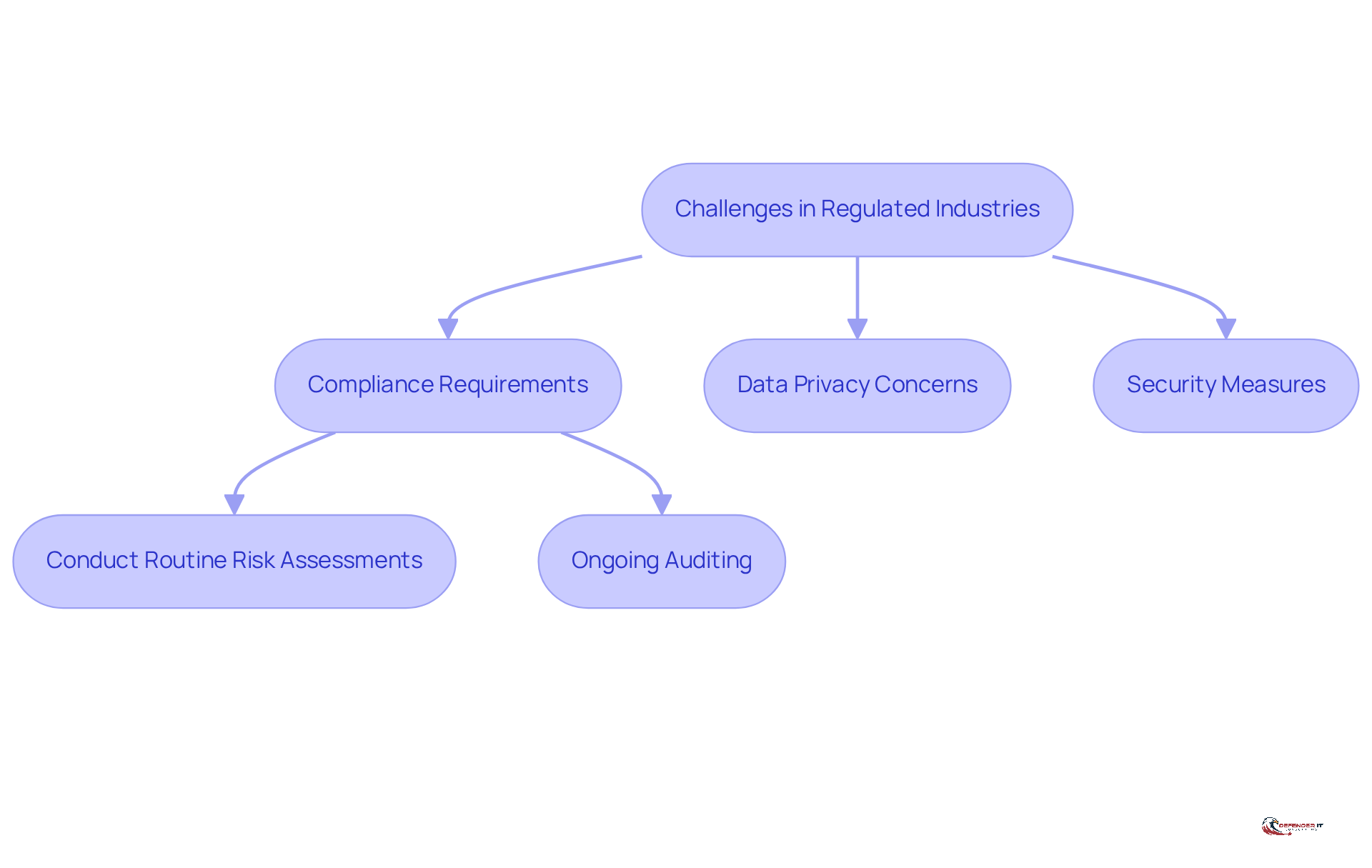
Organizations in regulated sectors face significant hurdles in advancing their technological capabilities. These challenges arise from stringent compliance requirements, data privacy concerns, and the necessity for robust security measures. Navigating these intricate regulatory frameworks poses significant challenges for organizations, dictating the management, storage, and sharing of data. For instance, financial institutions must comply with regulations such as the Gramm-Leach-Bliley Act (GLBA) and the Payment Card Industry Data Security Standard (PCI DSS), which enforce rigorous guidelines on data protection and customer privacy.
The rapid advancement of technology frequently exceeds the ability of regulatory bodies to keep pace, leading to compliance risks. In 2026, regulators are intensifying enforcement across various sectors, as evidenced by the DOJ’s reported record False Claims Act (FCA) settlements in 2025, indicating strong enforcement expected to continue this year. Organizations must remain vigilant and proactive in understanding these regulations, including:
- Conducting routine risk assessments
- Ongoing auditing to mitigate the risk of costly penalties and reputational damage
Recognizing these challenges allows businesses to tailor their technological strategies to meet compliance needs while achieving operational objectives.
Choose the Right Digital Transformation Consulting Partner
Choosing the right partner for digital transformation consulting services is fraught with challenges that can impact the success of your initiatives. Here are essential considerations to guide your selection:
- Industry Expertise: Seek partners with a strong track record in your specific sector. Their understanding of the regulatory landscape and unique challenges is crucial for navigating compliance effectively. As mentioned by IBM Consulting, their emphasis on hybrid cloud and AI allows them to provide secure, scalable technological changes customized to industry requirements.
- Customization: Opt for partners that provide tailored solutions rather than generic approaches. Customized strategies are vital for addressing the distinct needs of regulated industries, enhancing the likelihood of successful outcomes. In fact, statistics indicate that fewer than 30% of electronic evolution initiatives succeed without specialist support, underscoring the necessity of tailored approaches.
- Technical Proficiency: Evaluate their technical skills and knowledge of advanced technologies that can propel your digital evolution forward. A partner’s ability to leverage advanced technologies can significantly influence the effectiveness of your change initiatives.
- Client Testimonials and Case Studies: Request case studies and references from previous clients to evaluate their effectiveness and reliability in delivering results. For example, Deloitte Digital’s extensive roadmap has assisted many companies in linking technology, design, and business strategy for successful changes.
- Cultural Fit: Consider whether the partner’s values and working style align with your entity’s culture, as this alignment can significantly influence collaboration and communication.
Ultimately, the right partner in digital transformation consulting services can be the difference between successful technological transformation and a costly misstep.

Develop a Customized Digital Transformation Strategy
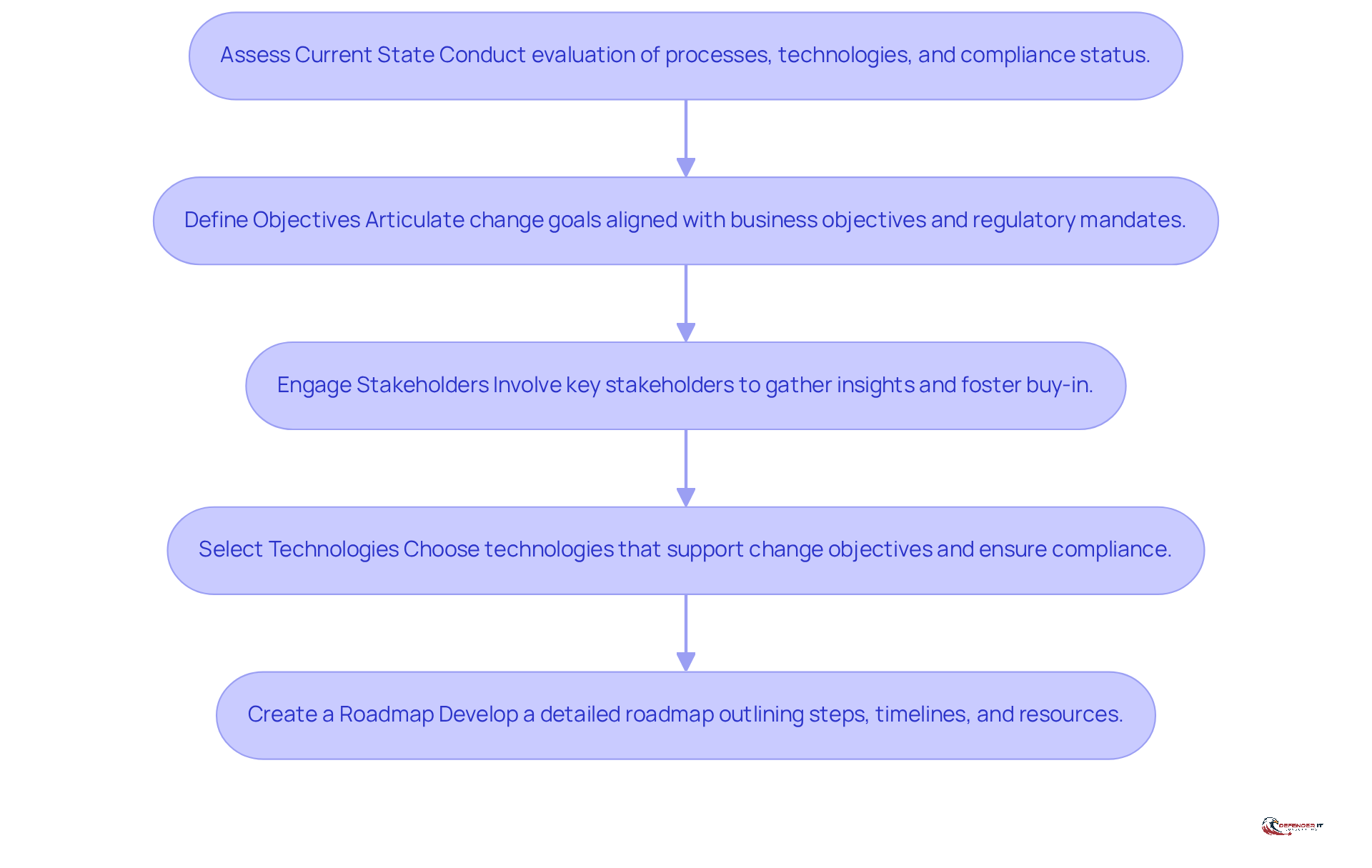
A successful digital transformation strategy requires a systematic approach that addresses both operational needs and regulatory compliance.
- Assess Current State: Conduct a comprehensive evaluation of existing processes, technologies, and compliance status. Identifying gaps and areas for improvement is crucial, especially in regulated sectors where compliance is paramount. Statistics show that 79% of knowledge workers report the existence of silos, complicating the assessment process. Organizations that evaluate their current condition efficiently can better align their change efforts with regulatory requirements and operational needs. According to Atul Kumar Yadav, “Data architecture and analytics are not afterthoughts in digital change.” They are the engine that powers AI capabilities, operational decision-making, and customer personalization.
- Define Objectives: Clearly articulate change goals that align with business objectives and regulatory mandates. Statistics show that entities with clear goals are twice as likely to succeed in their change initiatives. Consider factors such as efficiency, customer experience, and security to ensure a holistic approach.
- Engage Stakeholders: Involve key stakeholders from various departments to gather insights and foster buy-in. This collaborative approach not only enhances the strategy’s relevance but also ensures it addresses the needs of the entire organization. By engaging stakeholders early, organizations can reduce resistance and foster a culture of shared ownership.
- Select Technologies: Choose technologies that support change objectives while ensuring compliance with industry regulations. This may include cloud solutions, data analytics tools, and cybersecurity measures. The right technology choices are critical for achieving measurable outcomes and enhancing operational efficiency.
- Create a Roadmap: Develop a detailed roadmap outlining the steps, timelines, and resources required for implementation. Include milestones to track progress and allow for adjustments as necessary. A well-organized roadmap is crucial for navigating the complexities of online change, especially in compliance-heavy settings.
Ultimately, a well-executed digital transformation strategy, supported by digital transformation consulting services, not only meets compliance standards but also drives long-term business success.
Implement Continuous Support and Training for Sustainability
To ensure the success of digital transformation initiatives, organizations must focus on sustainable support and development strategies through digital transformation consulting services. Here are key strategies to implement:
- Ongoing Instruction Initiatives: Create instructional programs customized to the particular needs of staff at all levels, concentrating on new technologies, compliance requirements, and cybersecurity best practices. Contemporary methods, like microlearning, enhance engagement and retention. They make it easier for employees to grasp complex topics. Despite the recognized benefits of skill development, many employees feel their organizations fall short in providing adequate resources. This emphasizes the necessity for organizations to invest in effective development solutions.
- Feedback Mechanisms: Establish channels for employees to provide input on program effectiveness and areas for enhancement. Creating an environment where feedback is actively pursued can significantly enhance learning outcomes. As Carla Yudhishthu states, “If you’re not actively investing in your employee development program, you’re leaving engagement, output, and money on the table.”
- Regular Updates: Keep employees informed about changes in regulations, technologies, and organizational policies. Regular updates help maintain awareness and compliance, ensuring that the workforce is equipped to adapt to evolving requirements.
- Mentorship and Support: Create mentorship programs where experienced employees guide newer team members. This creates a learning culture that’s crucial for navigating the complexities of regulated industries. For example, entities such as Allied Universal have successfully implemented mentorship initiatives to enhance employee development.
- Evaluate and Adapt: Continuously assess the effectiveness of training and support initiatives. Organizations should use metrics to evaluate success and make necessary adjustments to improve outcomes. Engaging in regular feedback loops can help refine processes and ensure alignment with business objectives.
Ultimately, a proactive approach to employee development, coupled with digital transformation consulting services, can significantly enhance an organization’s adaptability and success in a rapidly changing digital landscape.

Conclusion
Digital transformation in regulated industries presents significant challenges that require strategic navigation. Understanding the complexities of technological advancements alongside regulatory compliance is essential for organizations aiming to tailor their strategies effectively. Selecting the right digital transformation consulting partner is crucial, as their expertise and customized solutions play a pivotal role in overcoming the hurdles posed by stringent regulations.
This article highlights critical factors to consider when embarking on digital transformation initiatives. From grasping the regulatory landscape to developing a comprehensive strategy that includes stakeholder engagement and ongoing training, each step is vital for ensuring a successful transition. The emphasis on continuous support and employee development underscores the necessity for organizations to cultivate a culture of adaptability and resilience in response to evolving technology and compliance requirements.
Ultimately, navigating digital transformation requires a focus on compliance and strategic alignment. Organizations are encouraged to take proactive measures in their transformation efforts, ensuring they are equipped with the right tools, knowledge, and support systems. This approach not only ensures compliance but also maximizes the potential of digital initiatives, paving the way for long-term success in an increasingly competitive landscape.
Frequently Asked Questions
What unique challenges do organizations in regulated industries face?
Organizations in regulated sectors encounter challenges such as stringent compliance requirements, data privacy concerns, and the need for robust security measures, all of which complicate the management, storage, and sharing of data.
What are some examples of regulations that financial institutions must comply with?
Financial institutions must adhere to regulations like the Gramm-Leach-Bliley Act (GLBA) and the Payment Card Industry Data Security Standard (PCI DSS), which impose strict guidelines on data protection and customer privacy.
How does the rapid advancement of technology affect regulatory compliance?
The rapid pace of technological advancement often outstrips the ability of regulatory bodies to keep up, resulting in compliance risks for organizations.
What is expected regarding regulatory enforcement in 2026?
In 2026, regulators are expected to intensify enforcement across various sectors, as indicated by record False Claims Act (FCA) settlements reported in 2025, leading to a continuation of strong enforcement.
What proactive measures should organizations take to navigate regulatory challenges?
Organizations should conduct routine risk assessments and engage in ongoing auditing to mitigate the risk of costly penalties and reputational damage.
How can understanding regulatory challenges benefit businesses?
Recognizing these challenges allows businesses to tailor their technological strategies to meet compliance needs while still achieving their operational objectives.
List of Sources
- Understand the Unique Challenges of Regulated Industries
- Q1 2026 compliance updates for financial institutions | Our Insights | Plante Moran (https://plantemoran.com/explore-our-thinking/insight/2026/03/q1-2026-compliance-updates-for-financial-institutions)
- powell-software.com (https://powell-software.com/resources/blog/digital-transformation-in-regulated-industries)
- Health Care Compliance in 2026: What Compliance Leaders Need to Know | JD Supra (https://jdsupra.com/legalnews/health-care-compliance-in-2026-what-7033419)
- Fintech Regulatory Challenges in 2026: Key Risks | BPM (https://bpm.com/insights/fintech-regulatory-challenges)
- Choose the Right Digital Transformation Consulting Partner
- Best Digital Transformation Consulting Services (2026 Rankings) (https://argano.com/insights/articles/best-digital-transformation-consulting-services.html)
- Top 10 Digital Transformation Consulting Companies 2026 (https://boldare.com/blog/top-digital-transformation-consulting-companies-2026)
- sixpathsconsulting.com (https://sixpathsconsulting.com/best-consulting-agencies)
- How to Choose an End-to-End Digital Transformation Partner in 2026: 8 Best Vendors for Your Review (https://dataforest.ai/blog/how-to-choose-an-end-to-end-digital-transformation-partner)
- versich.com (https://versich.com/blog/top-12-digital-transformation-firms-in-2026-industry-innovators)
- Develop a Customized Digital Transformation Strategy
- gainhq.com (https://gainhq.com/blog/digital-transformation-strategy)
- noseberry.com (https://noseberry.com/insights/digital-transformation-strategy-a-practical-roadmap-for-businesses-in-2026)
- heimdallpartner.com (https://heimdallpartner.com/insights/digital-transformation/digital-transformation-strategy)
- Next-Generation Digital Transformation Strategies for Businesses 2026 (https://tekleaders.com/digital-transformation-strategies-2026)
- Digital transformation 2026: What’s in, what’s out (https://cio.com/article/4117078/digital-transformation-2026-whats-in-whats-out.html)
- Implement Continuous Support and Training for Sustainability
- keystonepartners.com (https://keystonepartners.com/resources/building-a-feedback-culture-that-drives-real-growth-in-2026)
- ccitraining.edu (https://ccitraining.edu/blog/it-workforce-training-2026)
- intellum.com (https://intellum.com/resources/blog/employee-training-programs)
- State of Digital Transformation 2026: Enhancing Digital Strategy (https://teksystems.com/en/insights/state-of-digital-transformation-2026)
- hbr.org (https://hbr.org/2026/01/why-training-employees-pays-off-twice)